
Recycling has become a crucial aspect of managing waste and preserving the environment. The UK, like many other countries, has made significant strides in promoting recycling and reducing landfill waste. However, not all plastics can be recycled. Understanding which plastics cannot be recycled and why is essential for improving waste management practices and making informed choices. This blog delves into the types of plastics that cannot be recycled in the UK, the reasons behind their non-recyclability, and the broader implications for consumers and the environment.
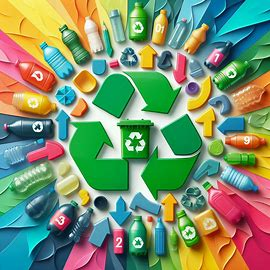
1. Understanding Plastic Recycling Symbols
Before discussing non-recyclable plastics, it’s important to understand the recycling symbols that help identify the types of plastics. The UK, like many countries, uses the Resin Identification Code (RIC), a set of symbols with numbers (1-7) inside a triangle. Each number represents a different type of plastic:
- PET (Polyethylene Terephthalate)
- HDPE (High-Density Polyethylene)
- PVC (Polyvinyl Chloride)
- LDPE (Low-Density Polyethylene)
- PP (Polypropylene)
- PS (Polystyrene)
- Other (Various Plastics)
Among these, some are widely recyclable, while others are more challenging to recycle due to their chemical properties, contamination issues, or lack of recycling facilities.
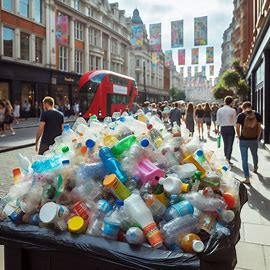
2. Non-Recyclable Plastics in the UK
a. Polyvinyl Chloride (PVC)
PVC, identified by the number 3 in the RIC, is a versatile plastic used in various applications, including pipes, cables, and some packaging. However, PVC is notoriously difficult to recycle. The reasons include:
- Chemical Composition: PVC contains chlorine, which can release harmful chemicals when processed.
- Additives: PVC products often contain additives that make recycling more complicated.
- Contamination: PVC is frequently contaminated with other materials, making it harder to separate and process.
Due to these factors, many recycling facilities in the UK do not accept PVC.
b. Polystyrene (PS)
Polystyrene, marked with the number 6, is commonly found in products like disposable cutlery, CD cases, and packaging materials (including Styrofoam). The challenges with recycling polystyrene include:
- Lightweight Nature: Polystyrene is very light, making it economically unviable to collect and transport for recycling.
- Volume: It takes up a lot of space, which poses storage and transportation issues.
- Contamination: Polystyrene often comes into contact with food, which contaminates the material and complicates the recycling process.
As a result, many local councils in the UK do not accept polystyrene for recycling.
c. Black Plastic
Black plastic is commonly used in food packaging and ready meals. Despite being made from recyclable polymers, black plastic poses a significant challenge:
- Detection Issues: Recycling sorting machines use optical scanners to identify and separate different types of plastics. Black plastic absorbs light rather than reflecting it, making it invisible to these scanners.
- Contamination: Like other food packaging, black plastic can be contaminated with food residues, further complicating recycling efforts.
Because of these issues, black plastic often ends up in landfills.
d. Low-Density Polyethylene (LDPE)
LDPE, designated with the number 4, is used in products like plastic bags, shrink wraps, and some bottles. While LDPE is technically recyclable, the infrastructure to recycle it is limited:
- Recycling Facilities: Not all recycling facilities in the UK are equipped to handle LDPE.
- Economic Viability: The low density and lightweight nature of LDPE make it less economically attractive to recycle.
Consequently, many LDPE products are not recycled and end up in landfills or incinerators.
e. Multi-Layer Plastics
Multi-layer plastics are composites made of different plastic materials laminated together. These are commonly found in products like food packaging (e.g., crisp packets, some beverage cartons). The recycling challenges include:
- Separation Difficulty: The different layers of plastics are difficult to separate during the recycling process.
- Specialized Facilities: Recycling multi-layer plastics requires specialized facilities that are not widely available in the UK.
Given these hurdles, multi-layer plastics are typically not recyclable and often end up as waste.
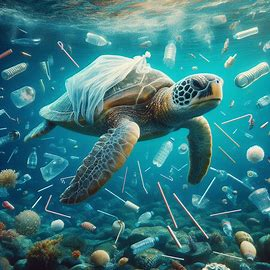
3. The Impact of Non-Recyclable Plastics
The presence of non-recyclable plastics in the waste stream has several implications:
a. Environmental Impact
Non-recyclable plastics contribute significantly to environmental pollution. When not properly managed, these plastics can end up in rivers, oceans, and other natural habitats, harming wildlife and ecosystems. For example, marine animals often ingest plastic debris, mistaking it for food, leading to injury or death.
b. Landfill and Incineration
Plastics that cannot be recycled are often sent to landfills or incinerated. Landfills can lead to long-term environmental issues, including soil and groundwater contamination. Incineration, while reducing the volume of waste, releases harmful emissions and contributes to air pollution and climate change.
c. Resource Depletion
Plastics are made from non-renewable resources like petroleum. Non-recyclable plastics represent a loss of these valuable resources, as they cannot be reprocessed and reused, leading to further extraction and depletion of raw materials.
d. Economic Costs
Managing non-recyclable plastics incurs significant economic costs. Local councils and waste management companies spend considerable resources sorting, transporting, and disposing of these materials. Additionally, the loss of potential recyclable material represents a missed economic opportunity.
4. Steps Towards Improvement
Addressing the issue of non-recyclable plastics requires a multi-faceted approach involving consumers, manufacturers, and policymakers.
a. Consumer Awareness and Action
Consumers can play a crucial role by:
- Reducing Use: Limiting the use of single-use plastics and opting for reusable alternatives.
- Proper Disposal: Ensuring that plastics are disposed of correctly and not contaminating recyclable materials.
- Demanding Change: Supporting products and companies that use recyclable or biodegradable packaging.
b. Manufacturer Responsibility
Manufacturers can contribute by:
- Designing for Recycling: Creating products and packaging with recycling in mind, using materials that are easier to recycle.
- Innovation: Investing in research and development to find alternative materials and improve recycling technologies.
- Transparency: Providing clear information on packaging about recyclability and disposal.
c. Policy and Regulation
Policymakers can drive change through:
- Regulations: Implementing stricter regulations on plastic use and waste management.
- Incentives: Providing incentives for businesses to adopt sustainable practices and invest in recycling infrastructure.
- Public Campaigns: Educating the public about recycling and waste reduction through awareness campaigns.
5. Conclusion
While significant progress has been made in recycling, certain plastics remain challenging to recycle in the UK. Understanding which plastics cannot be recycled and why helps consumers make informed choices and highlights the need for continued innovation and policy support. By working together, consumers, manufacturers, and policymakers can reduce the environmental impact of non-recyclable plastics and move towards a more sustainable future.
 Waste Management Services
One thought on ““The UK’s Recycling Challenges: Plastics That Can’t Be Recycled””