
The United Kingdom has a robust recycling policy designed to manage waste sustainably and reduce the environmental impact of waste. This policy encompasses various strategies, regulations, and initiatives aimed at promoting recycling across households, businesses, and industries. In this comprehensive guide, we will delve into the intricacies of the UK’s recycling policy, exploring its history, current practices, challenges, and future directions. In this blog you will be Understanding the Recycling Policy in the UK.
Historical Context of Recycling in the UK
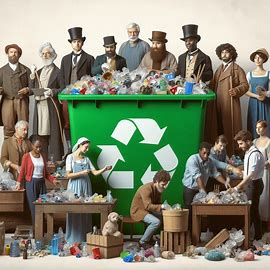
Recycling in the UK has evolved significantly over the past few decades. The journey began in the 1970s when environmental awareness started to rise, leading to the introduction of various recycling schemes. However, it was not until the late 1990s and early 2000s that recycling became a major focus of national policy.
In 1999, the UK government introduced the Landfill Tax, which imposed a levy on waste disposed of in landfills. This tax incentivized businesses and local authorities to explore alternative waste management methods, including recycling. The Waste and Resources Action Programme (WRAP) was established in 2000 to promote resource efficiency and help increase recycling rates.

The Waste Hierarchy
The UK’s recycling policy is guided by the waste hierarchy, a framework that prioritizes waste management practices based on their environmental impact. The hierarchy is as follows:
- Prevention: The most preferred option is to prevent waste generation in the first place. This involves reducing the amount of waste produced through various means such as eco-design, sustainable consumption, and efficient production processes.
- Reuse: If waste cannot be prevented, the next best option is to reuse products and materials. This extends the lifecycle of items and reduces the need for new resources.
- Recycling: When reuse is not possible, recycling comes into play. This involves processing waste materials to create new products, thereby conserving resources and reducing the environmental footprint.
- Recovery: If recycling is not feasible, the next step is to recover energy from waste through methods such as incineration with energy recovery.
- Disposal: The least preferred option is disposal, typically through landfill. This is considered the last resort due to its significant environmental impact.
Key Legislation and Regulations
Several key pieces of legislation and regulations underpin the UK’s recycling policy. These include:
- The Environmental Protection Act 1990: This act provides the legal framework for waste management and imposes a duty of care on individuals and businesses to handle waste responsibly.
- The Waste (England and Wales) Regulations 2011: These regulations implement the EU Waste Framework Directive and require local authorities and businesses to separate waste materials for recycling.
- The Packaging Waste Regulations: These regulations place obligations on businesses to reduce packaging waste and ensure a certain percentage is recycled. They also introduce the concept of producer responsibility, meaning businesses that produce packaging are responsible for its disposal.
- The Landfill Directive: This directive aims to reduce the amount of waste sent to landfill by setting targets for biodegradable municipal waste and promoting alternative waste management methods.
Local Authority Recycling Schemes
Local authorities in the UK play a crucial role in implementing recycling policies and providing recycling services to households. Each local authority is responsible for managing waste collection, recycling, and disposal in their area. While there is variation in the specifics of recycling schemes across different regions, common elements include:
- Kerbside Collections: Most households have access to kerbside recycling collections, where recyclable materials such as paper, cardboard, glass, metal, and certain plastics are collected directly from homes. These materials are usually separated into different bins or containers.
- Recycling Centers: In addition to kerbside collections, local authorities operate recycling centers (also known as household waste recycling centers or tips) where residents can bring a wider range of recyclable materials, including electrical appliances, garden waste, and bulky items.
- Food Waste Collections: Many local authorities offer separate food waste collections to divert organic waste from landfill. This waste is often processed into compost or used to generate biogas through anaerobic digestion.
- Garden Waste Collections: Garden waste such as grass clippings, leaves, and branches can often be collected separately for composting or other forms of organic recycling.
Challenges and Barriers to Recycling
Despite significant progress, the UK’s recycling policy faces several challenges and barriers:
- Contamination: One of the biggest challenges is contamination of recyclable materials with non-recyclable waste. Contaminated recyclables can reduce the quality of recycled products and increase processing costs.
- Public Awareness and Participation: While public awareness of recycling has increased, participation rates vary across different regions and demographics. Ongoing education and engagement efforts are needed to encourage consistent recycling practices.
- Infrastructure and Capacity: The recycling infrastructure, including collection systems and processing facilities, must be continuously updated and expanded to keep pace with increasing recycling targets and evolving waste streams.
- Market Demand: The market demand for recycled materials can fluctuate, affecting the economic viability of recycling. Ensuring stable markets for recycled products is crucial for the sustainability of recycling systems.
- Plastic Waste: Managing plastic waste remains a significant challenge due to the diversity of plastic types and the complexity of recycling processes. Efforts to reduce plastic waste and improve plastic recycling are ongoing.
Innovations and Future Directions
To address these challenges and further enhance recycling efforts, the UK is exploring various innovations and future directions:
- Extended Producer Responsibility (EPR): EPR schemes require producers to take responsibility for the entire lifecycle of their products, including end-of-life disposal. This encourages the design of products that are easier to recycle and reduces the burden on local authorities.
- Deposit Return Schemes (DRS): DRS initiatives involve consumers paying a small deposit when purchasing certain items (such as beverage containers) and receiving the deposit back when they return the item for recycling. This can significantly increase recycling rates for targeted materials.
- Technological Advancements: Advances in recycling technology, such as improved sorting systems and chemical recycling processes, can enhance the efficiency and effectiveness of recycling operations.
- Circular Economy: The concept of a circular economy promotes the continuous use of resources by creating closed-loop systems where waste is minimized, and materials are reused and recycled. The UK is actively pursuing circular economy strategies to reduce waste and enhance sustainability.
- Legislative Reforms: Ongoing legislative reforms aim to strengthen recycling policies and set more ambitious targets. For example, the UK government has proposed a new Environment Bill that includes measures to tackle plastic pollution, improve resource efficiency, and enhance waste management.
Conclusion
The recycling policy in the UK has come a long way from its early days, evolving into a comprehensive and multifaceted system designed to manage waste sustainably. Guided by the waste hierarchy and supported by key legislation, local authorities, businesses, and individuals play vital roles in promoting recycling.
Despite facing challenges such as contamination, public participation, and market demand, the UK continues to innovate and explore new approaches to enhance recycling efforts. Through initiatives like Extended Producer Responsibility, Deposit Return Schemes, and technological advancements, the UK is working towards a more sustainable and circular economy.
As the country strives to meet its environmental goals and reduce the impact of waste, the importance of recycling cannot be overstated. By continuing to invest in education, infrastructure, and policy reforms, the UK can pave the way for a greener, more sustainable future.
This blog provides a detailed overview of the recycling policy in the UK, highlighting its history, key legislation, current practices, challenges, and future directions. It aims to inform readers about the intricacies of recycling in the UK and inspire further action towards sustainable waste manage
 Waste Management Services