

Rubber is an essential material used in various industries, from automotive to healthcare. However, the disposal of rubber waste poses a significant environmental challenge. Improper disposal can lead to pollution and harm ecosystems. Therefore, finding effective and sustainable methods to manage rubber waste is crucial. This blog will explore five effective methods for disposing of rubber waste, highlighting their benefits and potential impacts on the environment.
Rubber is an essential material used in various industries, from automotive to healthcare. However, the disposal of rubber waste poses a significant environmental challenge. Improper disposal can lead to pollution and harm ecosystems. Therefore, finding effective and sustainable methods to manage rubber waste is crucial. This blog will explore five effective methods for disposing of rubber waste, highlighting their benefits and potential impacts on the environment.
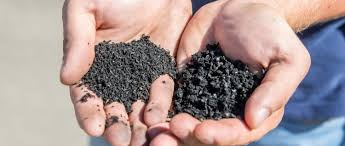
1. Recycling
Recycling is one of the most effective ways to dispose of rubber waste. This process involves converting waste rubber into reusable materials, reducing the need for new raw materials and minimizing environmental impact.
The Recycling Process
- Collection and Sorting: The first step in recycling rubber is collecting and sorting the waste. Rubber waste can come from various sources, including tires, industrial scrap, and consumer products. Sorting ensures that different types of rubber are processed correctly.
- Shredding and Grinding: Once sorted, the rubber is shredded into smaller pieces. These pieces are then ground into fine particles, creating crumb rubber. This material can be used in various applications, such as asphalt for road construction, playground surfaces, and sports fields.
- Devulcanization: Rubber is often vulcanized to improve its durability and elasticity. Devulcanization is the process of breaking down the cross-links in the rubber, allowing it to be molded and reused. This step is crucial for recycling vulcanized rubber products like tires.
- Reprocessing: The final step involves reprocessing the devulcanized rubber into new products. This can include manufacturing new tires, rubber mats, seals, and other rubber goods.
Benefits of Recycling Rubber
- Resource Conservation: Recycling rubber reduces the need for new raw materials, conserving natural resources and reducing the environmental impact of rubber production.
- Energy Savings: The energy required to recycle rubber is significantly less than that needed to produce new rubber from scratch.
- Reduced Landfill Waste: By recycling rubber, we can reduce the amount of waste that ends up in landfills, mitigating pollution and conserving landfill space.

2. Pyrolysis
Pyrolysis is a thermal decomposition process that converts rubber waste into valuable products like oil, gas, and char. This method involves heating the rubber waste in the absence of oxygen, causing it to break down into smaller molecules.
The Pyrolysis Process
- Preparation: The rubber waste is first cleaned and shredded into smaller pieces to facilitate the pyrolysis process.
- Heating: The shredded rubber is then heated in a pyrolysis reactor at temperatures ranging from 400°C to 700°C. The absence of oxygen prevents combustion, allowing the rubber to decompose into oil, gas, and char.
- Product Recovery: The pyrolysis products are collected and separated. The oil can be refined into various fuels, the gas can be used for energy generation, and the char can be used as a carbon black replacement in rubber manufacturing or as a soil amendment.
Benefits of Pyrolysis
- Resource Recovery: Pyrolysis converts rubber waste into valuable products, promoting resource recovery and reducing environmental impact.
- Energy Generation: The gas produced during pyrolysis can be used to generate energy, providing a renewable energy source.
- Reduction of Landfill Waste: Pyrolysis helps divert rubber waste from landfills, reducing the environmental burden associated with waste disposal.

3. Incineration with Energy Recovery
Incineration with energy recovery is another method for disposing of rubber waste. This process involves burning rubber waste at high temperatures to generate energy. While incineration can reduce the volume of waste, it must be carefully managed to minimize environmental impacts.
The Incineration Process
- Preparation: Rubber waste is collected and prepared for incineration. This may involve shredding or other preprocessing steps to ensure efficient combustion.
- Combustion: The prepared rubber waste is burned in an incinerator at high temperatures. The heat generated during combustion is used to produce steam, which can drive turbines to generate electricity.
- Emission Control: Modern incineration facilities are equipped with advanced emission control systems to minimize the release of pollutants. These systems include filters, scrubbers, and other technologies to capture harmful emissions.
- Ash Management: The ash produced during incineration is collected and managed. In some cases, it can be used in construction materials or as a soil amendment.
Benefits of Incineration with Energy Recovery
- Energy Production: Incineration with energy recovery can generate electricity and heat, providing a renewable energy source.
- Volume Reduction: Incineration significantly reduces the volume of rubber waste, minimizing the need for landfill space.
- Pollution Control: Advanced emission control technologies can minimize the environmental impact of incineration, making it a more sustainable option.
4. Reuse and Repurposing
Another effective method for disposing of rubber waste is through reuse and repurposing. This approach involves finding new uses for rubber products that are no longer needed for their original purpose.
Examples of Reuse and Repurposing
- Tire Retreading: Retreading is the process of applying a new tread to used tires, extending their lifespan. This not only reduces waste but also provides a cost-effective alternative to purchasing new tires.
- Rubber Mats and Flooring: Used rubber can be repurposed into mats and flooring for various applications, such as gym floors, playgrounds, and industrial settings.
- Art and Crafts: Rubber waste can be used in creative projects, such as sculptures, jewelry, and other art forms. This not only gives new life to discarded rubber but also promotes sustainability in the arts.
- Industrial Applications: Some industries can repurpose rubber waste for specific applications. For example, rubber can be used as a cushioning material in packaging or as a noise-reducing layer in construction.
Benefits of Reuse and Repurposing
- Waste Reduction: Reusing and repurposing rubber waste helps reduce the amount of material that ends up in landfills.
- Resource Efficiency: By finding new uses for rubber products, we can extend their lifespan and make more efficient use of resources.
- Cost Savings: Reusing and repurposing rubber can provide cost savings for both consumers and businesses by reducing the need for new materials.
Benefits of Landfill Disposal
- Convenience: Landfill disposal can be a convenient option for rubber waste that cannot be processed by other methods.
- Compliance: Properly managed landfills that comply with environmental regulations can provide a controlled and monitored disposal solution.
Challenges of Landfill Disposal
- Environmental Concerns: The environmental impact of landfill disposal is a significant concern, highlighting the need for proper management and alternative disposal methods.
- Space Limitations: The finite capacity of landfills underscores the importance of reducing waste and exploring sustainable disposal options.
Conclusion
The disposal of rubber waste is a complex challenge that requires a multifaceted approach. Recycling, pyrolysis, incineration with energy recovery, reuse and repurposing, and landfill disposal all play important roles in managing rubber waste. Each method has its benefits and challenges, and the choice of disposal method often depends on the type of rubber waste and local regulations.
By prioritizing recycling, pyrolysis, and other sustainable methods, we can reduce the environmental impact of rubber waste and promote a circular economy. Proper disposal and management of rubber waste are essential for protecting our environment and conserving valuable resources for future generations.
Please read some more of my blogs
Blogs
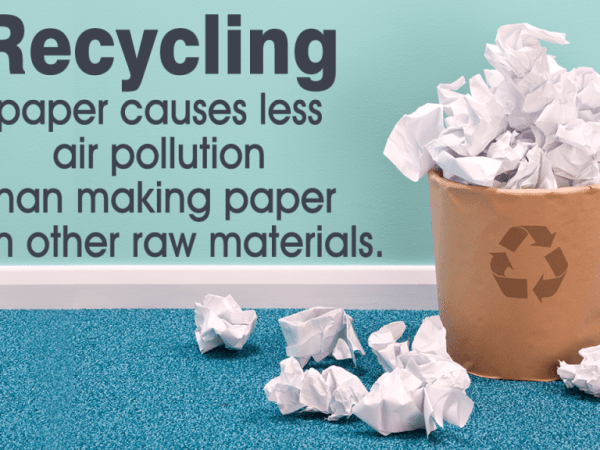
How Paper Recycling Helps the Environment
This blog explores the multifaceted ways in which paper recycling contributes to environmental conservation, examining its benefits, processes, challenges, and future prospects.

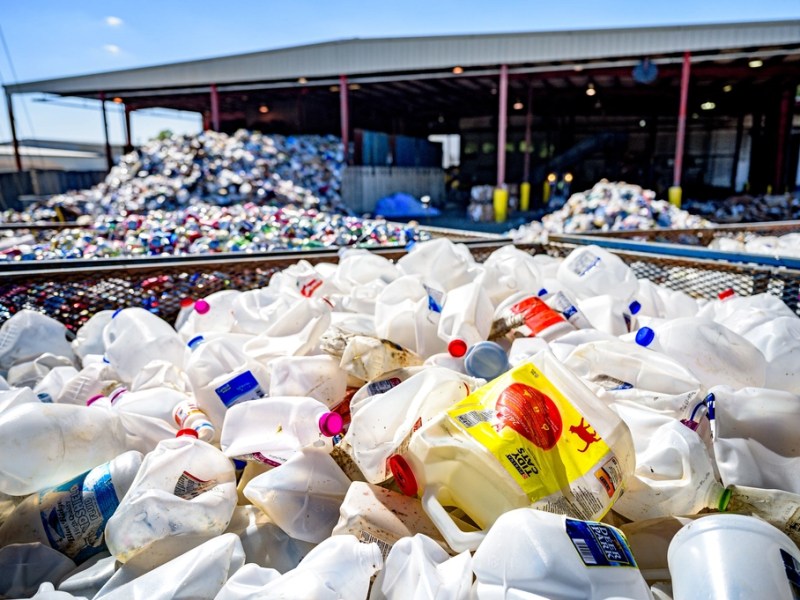
“How the UK Transforms Plastic Waste into New Products”
Plastic recycling is a critical component of waste management in the United Kingdom, given the extensive use of plastics in everyday life. Understanding the process, challenges, and advancements in plastic recycling helps appreciate the efforts toward environmental sustainability and the circular economy. This blog provides an in-depth look at how plastic is recycled in the…

The Environmental Benefits of Paper Recycling
This blog explores how paper recycling helps the environment, delving into its benefits, processes, and the role each of us can play in making a difference.
 Waste Management Services