

Rubber is an essential material used across automotive manufacturing, construction, healthcare, engineering, footwear, industrial production and consumer goods. Its strength, flexibility and resistance to wear make it valuable, but those same characteristics can make discarded rubber difficult to manage.
Businesses frequently generate rubber waste in the form of used tyres, production offcuts, rejected batches, uncured rubber compound, rubber-coated fabrics, conveyor belts, seals, hoses, flooring and surplus stock. Without an appropriate recovery route, these materials may occupy valuable storage space, create handling risks and increase disposal costs.

Understanding how to dispose of rubber waste responsibly is therefore important for manufacturers, tyre businesses, rubber processors and organisations managing redundant industrial materials.
The best method depends on several factors, including:
- Type and composition of the rubber
- Whether the material is cured or unvulcanised
- Level of contamination
- Available quantity
- Packaging and storage condition
- Potential for reuse or recycling
- Available treatment facilities Applicable waste controls
This guide explains five effective methods for disposing of rubber waste: recycling, pyrolysis, incineration with energy recovery, reuse and repurposing, and controlled landfill disposal.
Rubber Recycling
Rubber recycling is generally one of the most practical ways to manage suitable rubber waste. It involves collecting, sorting and processing discarded rubber into materials that can be used again.
Recycling helps reduce dependence on virgin raw materials while creating secondary products for construction, manufacturing, landscaping and other industries.
The Rubber Recycling Process
Collection and sorting: Waste may include:
- Used passenger and commercial tyres
- Industrial rubber offcuts
- Rubber sheets and strips
- Conveyor belting
- Seals and gaskets
- Rubber flooring
- Rubber-coated fabric
- Rejected finished products
- Production trim
Effective sorting is important because different rubber formulations may require different treatment methods. Material containing excessive oil, metal, textile reinforcement or chemical contamination may also need separate handling.

Shredding and Size Reduction
Once sorted, the rubber may be cut or shredded into smaller pieces. Depending on the equipment and end use, the material can be processed into:
- Tyre chips
- Rubber shred
- Rubber granules
- Crumb rubber
- Rubber powder
Steel and textile reinforcement may be separated during this process.
Grinding and separation
Further grinding reduces the rubber to a more consistent particle size. Magnets can remove steel wire, while air separation or screening systems may help remove textile fibre and other unwanted material.
The final material may be graded according to size and purity.
Reprocessing
Processed rubber can be used in various applications, including:
- Safety flooring
- Playground surfaces
- Sports surfaces
- Rubber mats
- Road and asphalt applications
- Sound insulation products
- Anti-vibration components
- Moulded rubber goods
- Landscaping products
The suitability of recycled rubber depends on its source, composition, particle size and contamination level.
Devulcanisation
Most finished rubber products have been vulcanised to improve their strength, durability and elasticity. Vulcanisation creates cross-links within the rubber structure, making the finished material difficult to melt and remould.
Devulcanisation attempts to break some of these cross-links so that the rubber can potentially be blended into new formulations.
Common approaches may involve:
- Mechanical treatment
- Thermal processing
- Chemical treatment
- Microwave processing
- Ultrasonic treatment
Devulcanised material may be used as a secondary ingredient in selected rubber products. However, quality and performance depend on the original formulation and the effectiveness of the treatment.
Benefits of Recycling Rubber
Resource conservation: Recycling reduces the requirement for some virgin materials and makes further use of existing rubber resources.
Reduced landfill demand: Diverting rubber from landfill helps conserve disposal capacity.
Material recovery: Steel, textile and rubber fractions may be recovered from tyre and reinforced-rubber waste.
Commercial applications: Recycled rubber can be converted into products for construction, transport, sport and industrial use.
Improved waste management: A defined recycling route can help businesses manage recurring production waste more consistently.
Limitations of Rubber Recycling
Not all rubber waste can be recycled through the same process. Challenges may include:
- Mixed rubber formulations
- Chemical contamination
- Excessive moisture
- Embedded metal
- Textile reinforcement
- Small quantities
- Difficult packaging
- Lack of local processing capacity
Manufacturers should provide accurate information about the material before arranging collection or processing.

Pyrolysis
Pyrolysis is a thermal decomposition process used for certain types of rubber waste, particularly end-of-life tyres. The material is heated in a low-oxygen or oxygen-free environment, preventing normal combustion.
During the process, rubber breaks down into several recovered fractions.
These may include:
- Pyrolysis oil
- Recovered carbon-rich solid material
- Process gas
- Recovered steel
The performance and environmental value of a pyrolysis operation depend on the technology, operating controls, material input and markets available for the recovered outputs.
The Pyrolysis Process
Preparation
Rubber or tyre waste is inspected and prepared for processing. It may be cleaned, cut or shredded to create a consistent feedstock.
The preparation requirements depend on the reactor design. Some systems accept whole tyres, while others require smaller pieces.
Heating
The prepared rubber is introduced into a sealed reactor and heated. Because oxygen is restricted, the material does not burn in the same manner as conventional incineration.
Instead, it decomposes into vapours, gases and solid residues.
Pyrolysis is a thermal decomposition process that converts rubber waste into valuable products like oil, gas, and char. This method involves heating the rubber waste in the absence of oxygen, causing it to break down into smaller molecules.
Condensation
Vapours produced during processing are cooled and condensed into liquid pyrolysis oil.
The exact quality and potential use of the oil depend on the feedstock and production technology. Additional refinement may be required before the oil can be used in particular applications.
Solid-material recovery
The remaining solid fraction typically contains carbon-rich material and inorganic components.
Depending on quality and further treatment, recovered carbon material may have applications in:
- Rubber manufacturing
- Pigments
- Construction products
- Fuel or energy applications
- Other industrial processes
Recovered steel from tyre reinforcement can also be separated and sent for appropriate metal recovery.
Process-gas use
Some non-condensable gases produced during pyrolysis may be reused within the facility to support the heating process, improving energy efficiency.
Benefits of Pyrolysis
Material recovery: Pyrolysis can recover oil, gas, steel and carbon-rich material from suitable rubber waste.
Tyre-waste diversion: It provides an alternative route for some end-of-life tyres that may not be suitable for conventional material recycling.
Energy recovery: Process gas and oil may have energy value where permitted and appropriately controlled.
Reduced material volume: Thermal treatment significantly reduces the volume of the original waste.
Challenges of Pyrolysis
Pyrolysis should not automatically be considered appropriate for every rubber waste stream. Important considerations include:
- Feedstock consistency
- Plant emissions control
- Market quality of recovered outputs
- Technology reliability
- Operating temperature
- Energy demand
- Permit requirements
- Storage and transport arrangements
Businesses should use established and appropriately authorised treatment facilities.
Incineration with Energy Recovery
Incineration with energy recovery involves burning suitable waste under controlled conditions and capturing some of the resulting energy.
Depending on the facility, the recovered energy may be used to produce:
- Electricity
- Steam
- Industrial heat
- Combined heat and power
Rubber has a relatively high calorific value. This means it may provide useful energy when processed in an authorised facility equipped with appropriate emission-control systems.

How Energy Recovery Works
Waste acceptance
The facility assesses the waste before accepting it. Material composition, contamination, moisture and packaging may affect whether it is suitable.
Controlled combustion
The rubber waste is burned at controlled temperatures. Modern facilities regulate airflow, temperature and residence time to achieve stable combustion.
Heat recovery
The heat produced is transferred to boilers or other systems. Steam may then power a turbine or supply industrial heating.
Emissions treatment
Combustion gases pass through pollution-control equipment before release. Treatment systems may be used to remove:
- Particulate matter
- Acid gases
- Heavy metals
- Other controlled pollutants
Residual ash must also be assessed and managed appropriately.
Benefits of Incineration with Energy Recovery
Energy generation: Rubber waste can contribute to the production of heat or electricity.
Volume reduction: Controlled combustion substantially reduces the physical volume of the waste.
Alternative to landfill: Energy recovery can provide an outlet for rubber that cannot be technically or economically recycled.
Stable treatment route: Suitable facilities may be able to manage large recurring waste quantities.
Limitations and Environmental Considerations
Energy recovery is generally lower in the waste hierarchy than prevention, reuse and material recycling.
Potential concerns include:
- Air emissions
- Carbon emissions
- Ash management
- Loss of recoverable material
- Transport distance
- Limited suitable facilities
It should therefore be used only when higher-value recovery options are not reasonably available.
Reuse and Repurposing
Not all rubber waste needs to be immediately shredded, chemically treated or burned. Some products and materials can be reused or repurposed, extending their service life.
Reuse is particularly suitable when the material remains structurally sound and does not present a safety or contamination concern.

Common Rubber Reuse Applications
Retreaded tyres
Suitable tyre casings may be inspected and retreaded rather than discarded. The worn tread is removed and replaced with a new tread layer.
Retreading can reduce material demand and extend the working life of appropriate commercial tyre casings.
Rubber mats and flooring
Rubber sheets, conveyor belting and selected industrial offcuts may be repurposed into:
- Workshop mats
- Stable flooring
- Protective pads
- Anti-slip surfaces
- Loading-area protection
- Equipment bases
Protective and cushioning products
Rubber can be cut into pads, buffers, spacers and protective components for transport, storage and industrial applications.
Construction applications
Selected rubber materials may be reused for:
- Vibration control
- Impact protection
- Temporary barriers
- Landscaping
- Surface protection
Creative and community projects
Clean rubber items may be used in art, garden or educational projects. However, any reuse application should consider safety, chemical content and suitability.
Industrial Surplus and Off-Spec Rubber
Manufacturers may hold unused or rejected rubber materials that have not become waste through use.
Examples include:
- Unvulcanised rubber compound
- Off-spec production batches
- Expired stock
- Colour-change material
- Surplus rolls
- Rubber-coated nylon fabric
- Polyester tyre cord
- Steel friction material
- Redundant factory stock
Where technically and legally appropriate, these materials may have value for another manufacturer, processor or recovery business.
Businesses should provide:
- Material specification
- Photographs
- Approximate quantity
- Packaging details
- Production date
- Storage conditions
- Contamination information
- Safety documentation where available
Benefits of Reuse and Repurposing
Waste prevention: Reuse can prevent suitable material from entering the waste-treatment system prematurely.
Resource efficiency: Extending product life reduces the need for replacement materials.
Cost savings: Businesses may reduce disposal and procurement costs.
Lower processing demand: Direct reuse may require less energy than shredding or thermal treatment.
Commercial recovery: Surplus material may retain value when properly identified and matched with a suitable user.
Limitations of Reuse
Reuse is not suitable when the material is:
- Structurally damaged
- Chemically contaminated
- Unsafe for the intended application
- Severely degraded
- Legally restricted
- Poorly documented
A technical assessment should be completed before material is offered for reuse.
Controlled Landfill Disposal
Landfill disposal should generally be considered only after reasonable reuse, recycling and recovery options have been investigated.
Rubber degrades slowly and can occupy landfill capacity for an extended period. Certain rubber products may also present storage, movement or fire-management concerns.

However, controlled landfill may sometimes be necessary for waste that:
- Requires final disposal following authorised treatment
- Cannot be safely reused
- Is heavily contaminated
- Cannot be accepted by available recycling facilities
- Has no technically viable recovery route
Preparing Rubber Waste for Landfill
Before disposal, the material should be assessed to determine:
- Waste classification
- Contamination
- Hazardous properties
- Packaging requirements
- Transport arrangements
- Facility acceptance criteria
The receiving facility must be suitable for the waste type.
Benefits of Controlled Landfill Disposal
Final disposal route: Landfill can provide a controlled destination for waste with no viable recovery option.
Managed facility: Properly operated landfill sites use engineered containment and monitoring systems.
Documented acceptance: Commercial disposal should produce a clear record of the waste transfer and destination.
Challenges of Landfill Disposal
Long-term environmental burden: Rubber can remain in landfill for many years.
Loss of resources: Materials that might otherwise have been recovered are permanently removed from productive use.
Limited landfill space: Disposal capacity is finite.
Potentially higher costs: Transport, gate fees and compliance requirements can make landfill expensive.
Waste-hierarchy position: Landfill is usually less desirable than prevention, reuse, recycling and recovery.
- Environmental Concerns: The environmental impact of landfill disposal is a significant concern, highlighting the need for proper management and alternative disposal methods.
- Space Limitations: The finite capacity of landfills underscores the importance of reducing waste and exploring sustainable disposal options.
Choosing the Right Rubber-Waste Disposal Method
Selecting the appropriate method requires more than identifying the material as “rubber”. Rubber waste can contain natural rubber, synthetic polymers, steel, textiles, oils, additives and other compounds.
Before choosing a route, answer the following questions:
- Is the rubber vulcanised or unvulcanised?
- Is it post-industrial or post-consumer material?
- Is it contaminated?
- Does it contain steel or textile reinforcement?
- Is the material available once or regularly?
- What quantity is available?
- Is the material baled, loose, rolled or palletised?
- Is reuse technically possible?
- Is a recycling facility available?
- What documentation is required?
The preferred order should generally be:
- Dispose of non-recoverable waste through a controlled route
- Prevent unnecessary waste
- Reuse suitable materials
- Recycle recoverable rubber
- Use other recovery processes
How FJK Traders Ltd Supports Industrial Rubber-Waste Management

FJK Traders Ltd supports manufacturers, rubber processors, tyre businesses and industrial organisations holding surplus, rejected, off-spec or production waste.
Materials considered for assessment may include:
- Unvulcanised rubber compound
- Surplus rubber compound
- Off-spec rubber batches
- Steel and nylon friction waste
- Nylon tyre cord
- Polyester tyre cord
- Tyre production waste
- Selected industrial rubber materials
- Redundant and overstock materials
Businesses seeking assistance should provide:
- Clear material photographs
- Approximate weight or volume
- Collection location
- Packaging method
- Material data sheet or specification
- Details of contamination
- One-off or recurring availability
- Required collection timeframe
This information helps determine whether the material may be suitable for reuse, collection, recycling, recovery or another approved treatment route.Each enquiry should be assessed according to material specification, quantity, location, condition and available recovery routes.
By prioritizing recycling, pyrolysis, and other sustainable methods, we can reduce the environmental impact of rubber waste and promote a circular economy. Proper disposal and management of rubber waste are essential for protecting our environment and conserving valuable resources for future generations.

Frequently Asked Questions
- Can all rubber waste be recycled?
- No. Recyclability depends on the rubber formulation, contamination, reinforcement, condition, quantity and available processing technology.
- What is the best way to dispose of rubber waste?
- Reuse or recycling is normally preferable where technically and commercially viable. Pyrolysis and energy recovery may be considered for suitable materials that cannot be conventionally recycled.
- Can unvulcanised rubber compound be reused?
- Some unvulcanised rubber compound may be suitable for reprocessing or reuse, depending on its formulation, age, storage condition and contamination level.
- Is pyrolysis the same as incineration?
- No. Pyrolysis heats material in an oxygen-restricted environment, while incineration involves controlled combustion.
- Can rubber waste be sent to landfill?
- Some non-recoverable rubber waste may require controlled landfill disposal, subject to classification, acceptance criteria and applicable waste controls.
- What details are required for a rubber-waste assessment?
- Provide material photographs, description, approximate quantity, condition, packaging, collection location and any available specifications or safety documentation.
Conclusion
Learning how to dispose of rubber waste requires an understanding of the material, its condition and the available treatment routes.
Recycling can convert suitable waste into rubber granules, crumb and secondary products. Pyrolysis can recover oil, gas, carbon-rich material and steel from selected waste streams. Incineration with energy recovery may provide an alternative for non-recyclable rubber. Reuse and repurposing can extend product life and reduce processing demand, while controlled landfill remains a final option for material that cannot be safely or practically recovered.
Businesses should avoid selecting a disposal route based solely on convenience. A proper assessment can identify opportunities to reduce costs, recover value, improve documentation and divert industrial rubber waste from landfill.
Please read some more of my blogs
Blogs
How Paper Recycling Helps the Environment
This blog explores the multifaceted ways in which paper recycling contributes to environmental conservation, examining its benefits, processes, challenges, and future prospects.

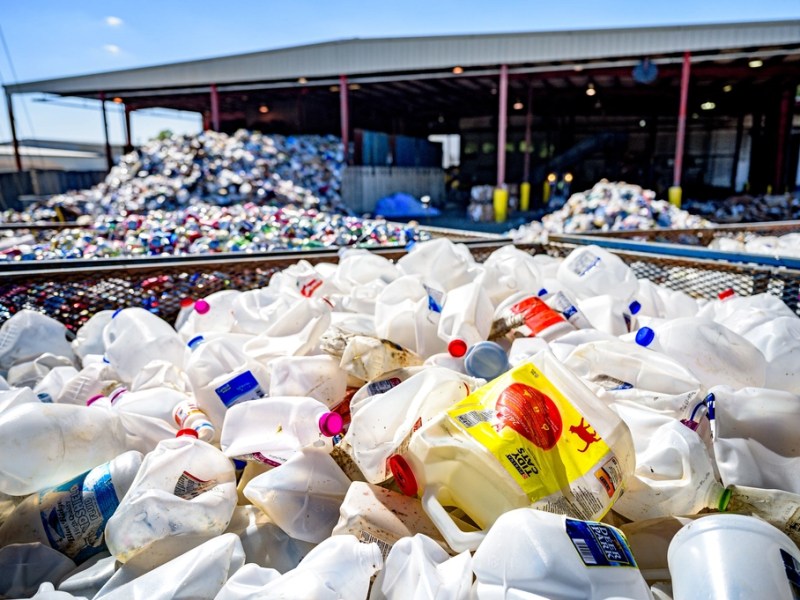
“How the UK Transforms Plastic Waste into New Products”
Plastic recycling is a critical component of waste management in the United Kingdom, given the extensive use of plastics in everyday life. Understanding the process, challenges, and advancements in plastic recycling helps appreciate the efforts toward environmental sustainability and the circular economy. This blog provides an in-depth look at how plastic is recycled in the…

The Environmental Benefits of Paper Recycling
This blog explores how paper recycling helps the environment, delving into its benefits, processes, and the role each of us can play in making a difference.

