
Introduction
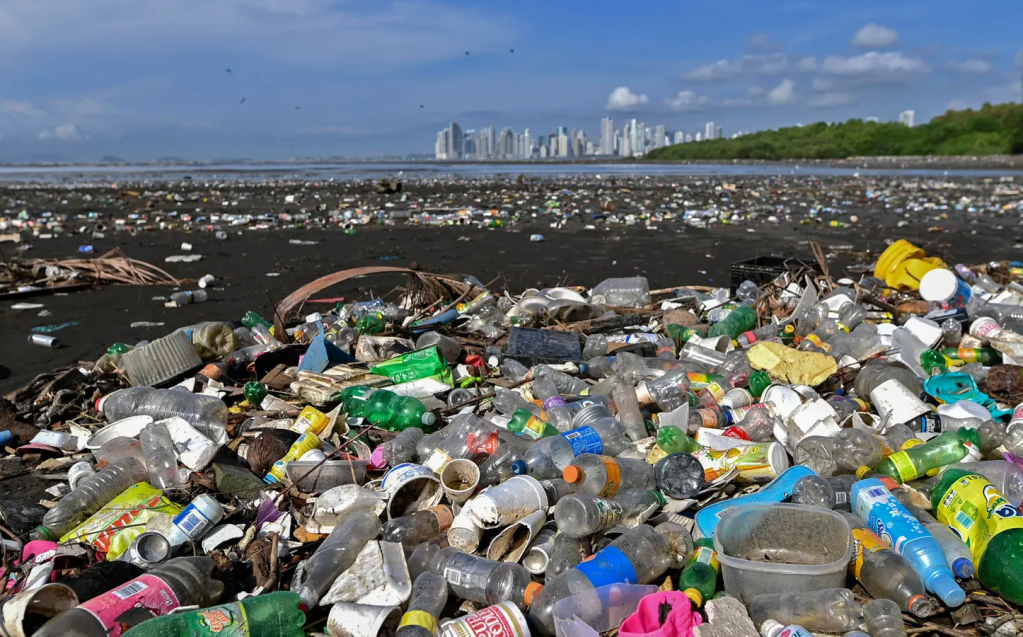
Pollution: Plastic has become an integral part of our daily lives, revolutionizing industries and providing convenience like never before. However, this widespread use comes at a significant environmental cost. Plastic waste poses a serious threat to our planet’s ecosystems, wildlife, and even human health. In response to this global challenge, recycling has emerged as a crucial strategy to mitigate the negative impact of plastic on the environment. This blog explores the importance of plastic recycling, examining its benefits, challenges, innovations, and future prospects.
Understanding Plastic Pollution
Plastic pollution has reached alarming levels worldwide. Discarded plastic items accumulate in landfills, oceans, rivers, and even remote wilderness areas, persisting for hundreds of years and causing harm to marine life and terrestrial ecosystems. The sheer volume of plastic waste generated annually underscores the urgency of adopting effective recycling practices.

Benefits of Plastic Recycling
- Conservation of Resources: Recycling plastic reduces the demand for new raw materials, conserving natural resources such as oil and gas.
- Energy Savings: Producing new plastic from recycled materials consumes less energy compared to manufacturing from virgin resources.
- Reduction of Landfill Waste: By diverting plastic from landfills, recycling helps mitigate landfill overflow and associated environmental hazards.
- Prevention of Marine Pollution: Proper disposal and recycling of plastic prevent marine litter, protecting marine biodiversity and ecosystems.

Challenges in Plastic Recycling
Despite its benefits, plastic recycling faces several challenges:
- Complexity of Sorting: Different types of plastics require specific recycling processes, complicating the sorting and recycling infrastructure.
- Contamination: Contaminants and mixed materials reduce the quality and usability of recycled plastic.
- Economic Viability: The fluctuating market value of recycled plastic affects the profitability and sustainability of recycling operations.
- Public Awareness and Participation: Limited awareness and insufficient participation hinder recycling efforts on a global scale.
Innovations in Plastic Recycling
- Advanced Sorting Technologies: AI and robotics improve the efficiency and accuracy of plastic sorting in recycling facilities.
- Chemical Recycling: Innovative processes break down plastic into its molecular components, enabling the production of high-quality recycled materials.
- Biodegradable Alternatives: Research focuses on developing biodegradable plastics that reduce environmental impact and simplify recycling processes.
- Circular Economy Initiatives: Companies and governments promote circular economy models that prioritize recycling and reuse over linear production and disposal.

Global Initiatives and Policies
Governments and international organizations play a pivotal role in promoting plastic recycling through:
- Legislation and Regulation: Implementing laws that mandate recycling targets, plastic use reduction, and producer responsibility.
- Incentives and Subsidies: Providing financial incentives and subsidies to encourage recycling infrastructure development and innovation.
- Public Awareness Campaigns: Educating consumers about the importance of recycling and sustainable consumption practices.
The Future of Plastic Recycling
Looking ahead, the future of plastic recycling hinges on:
- Technological Advancements: Continued innovation in recycling technologies to improve efficiency, cost-effectiveness, and quality of recycled materials.
- Collaboration and Partnerships: Stakeholders across sectors collaborating to develop holistic solutions to plastic pollution.
- Consumer Behavior: Encouraging consumer behavior changes towards recycling and reducing plastic consumption.
- Global Commitment: International cooperation and commitments to reduce plastic waste and promote recycling on a global scale.

Conclusion
In conclusion, plastic recycling is not merely an option but a necessity in our efforts to safeguard the environment and create a sustainable future. By recycling plastic, we conserve resources, reduce pollution, and mitigate the impacts of climate change. However, addressing the challenges of plastic recycling requires collective action from governments, industries, communities, and individuals worldwide. Together, we can create a world where plastic waste is minimized, and our natural ecosystems are preserved for future generations.
References
- United Nations Environment Programme. (2020). Plastic Waste and Recycling: Global Overview.
- Ellen MacArthur Foundation. (2021). The New Plastics Economy: Rethinking the Future of Plastics.
- Jambeck, J. R. et al. (2015). Plastic Waste Inputs from Land into the Ocean. Science.
- Plastic Pollution Coalition. (2023). Why Recycle Plastic?
- World Economic Forum. (2022). Toward a Circular Economy: Accelerating the Scale-Up Across Global Supply Chains
Read also:
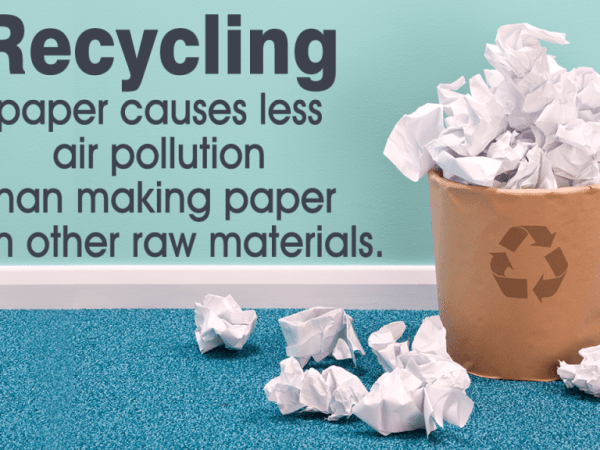
How Paper Recycling Helps the Environment
This blog explores the multifaceted ways in which paper recycling contributes to environmental conservation, examining its benefits, processes, challenges, and future prospects.

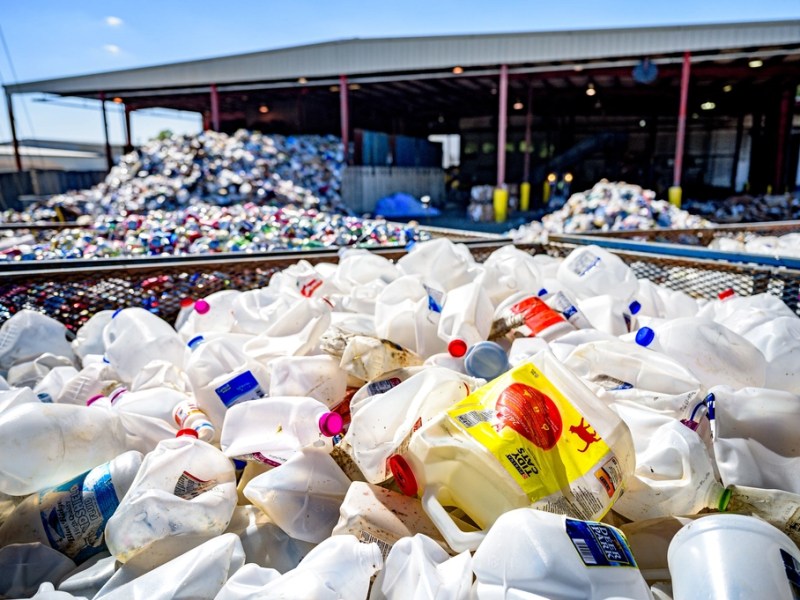
“How the UK Transforms Plastic Waste into New Products”
Plastic recycling is a critical component of waste management in the United Kingdom, given the extensive use of plastics in everyday life. Understanding the process, challenges, and advancements in plastic recycling helps appreciate the efforts toward environmental sustainability and the circular economy. This blog provides an in-depth look at how plastic is recycled in the…

The Environmental Benefits of Paper Recycling
This blog explores how paper recycling helps the environment, delving into its benefits, processes, and the role each of us can play in making a difference.
 Waste Management Services