

In today’s world, environmental sustainability has become a crucial topic as the planet faces significant ecological challenges. One of the essential aspects of environmental conservation is recycling, particularly paper recycling. Paper, a ubiquitous material in our daily lives, plays a vital role in communication, education, packaging, and countless other applications.
However, its production and disposal have substantial environmental impacts. This blog explores how paper recycling helps the environment, delving into its benefits, processes, and the role each of us can play in making a difference. Today you will be learning about Sustainable Living: The Environmental Benefits of Paper Recycling.
The Environmental Impact of Paper Production
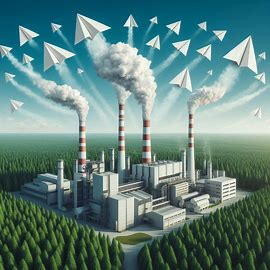
Before understanding the benefits of paper recycling, it is essential to grasp the environmental footprint of paper production. The process of making paper from virgin wood involves several stages, each contributing to environmental degradation:
- Deforestation: The primary raw material for paper production is wood, which comes from trees. Large-scale logging for paper manufacturing leads to deforestation, reducing forest cover and biodiversity. Forests act as carbon sinks, absorbing carbon dioxide from the atmosphere. When they are cut down, not only is this carbon storage capacity lost, but the carbon stored in the trees is also released back into the atmosphere, contributing to climate change.
- Energy Consumption: Paper production is an energy-intensive process. From logging to transportation to processing, significant amounts of energy are required, much of which comes from non-renewable fossil fuels. This energy consumption results in greenhouse gas emissions, further exacerbating climate change.
- Water Usage: The paper manufacturing process consumes vast amounts of water, which is used for pulp production, washing, and cooling. This high water usage can deplete local water resources and affect aquatic ecosystems.
- Chemical Pollution: Paper production involves the use of various chemicals, including chlorine for bleaching. These chemicals can contaminate water bodies, harming aquatic life and potentially entering human drinking water supplies.
- Waste Generation: The production process generates substantial waste, including wood chips, bark, and sludge. Improper disposal of this waste can lead to environmental contamination.
The Paper Recycling Process
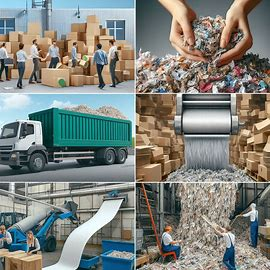
Recycling paper involves collecting, processing, and reusing paper products to produce new paper. The process can be broken down into several key stages:
- Collection: Paper recycling begins with the collection of used paper from households, businesses, and institutions. This can include newspapers, office paper, cardboard, and more. Collection is typically done through curbside recycling programs, drop-off centers, and recycling bins placed in public areas.
- Sorting and Grading: Once collected, the paper is sorted and graded based on its quality and type. Different grades of paper are processed separately to ensure the final recycled product meets quality standards. Common grades include mixed paper, office paper, newspaper, and corrugated cardboard.
- Shredding and Pulping: After sorting, the paper is shredded into small pieces and mixed with water to create a pulp. The pulping process breaks down the fibers, making them suitable for forming new paper. During this stage, contaminants such as staples, plastic, and adhesives are removed.
- Deinking and Cleaning: To produce high-quality recycled paper, the pulp is deinked and cleaned. Deinking involves removing ink, glue, and other residues from the paper fibers. Various methods, such as flotation and washing, are used to achieve this.
- Refining and Bleaching: The cleaned pulp is refined to improve the fiber quality and enhance the paper’s strength. If white paper is desired, the pulp may be bleached using environmentally friendly bleaching agents to achieve the desired whiteness.
- Papermaking: The refined pulp is then fed into a paper machine, where it is formed into sheets, pressed, and dried. The result is new paper products that can be used for various purposes, from packaging to printing.
- Finishing and Converting: The newly formed paper is rolled, cut, and converted into finished products such as notebooks, cardboard boxes, and printing paper.

Environmental Benefits of Paper Recycling
Recycling paper offers numerous environmental benefits, making it a critical component of sustainable waste management and conservation efforts. Here are some of the key advantages:
1. Reduces Deforestation
One of the most significant benefits of paper recycling is the reduction in the demand for virgin wood. By reusing existing paper fibers, fewer trees need to be cut down to produce new paper. This conservation of forests helps maintain biodiversity, protect wildlife habitats, and preserve the ecological balance. Forests play a crucial role in mitigating climate change by absorbing carbon dioxide, so protecting them through recycling is a vital environmental strategy.
2. Saves Energy
The energy required to produce recycled paper is significantly lower than that needed for virgin paper. Recycling paper uses approximately 60% less energy than manufacturing paper from raw materials. This energy savings translates to reduced greenhouse gas emissions and a smaller carbon footprint. By choosing recycled paper, we can help combat climate change by lowering our energy consumption and reliance on fossil fuels.
3. Conserves Water
Paper recycling is also beneficial in terms of water conservation. The production of recycled paper requires less water compared to making paper from wood pulp. This reduction in water usage is particularly important in regions facing water scarcity and helps protect aquatic ecosystems by reducing the demand for water withdrawals from rivers and lakes.
4. Reduces Pollution
Recycling paper helps minimize the release of harmful chemicals and pollutants into the environment. The pulping and bleaching processes for virgin paper involve the use of various chemicals, some of which can be toxic. By recycling paper, we reduce the need for these chemicals, thereby decreasing the risk of water and soil contamination. Additionally, recycling paper reduces the amount of waste sent to landfills, where it can produce methane, a potent greenhouse gas, as it decomposes.
5. Decreases Landfill Waste
Paper waste constitutes a significant portion of municipal solid waste. By recycling paper, we divert it from landfills, reducing the volume of waste that needs to be managed. This not only extends the lifespan of existing landfills but also lessens the environmental impact associated with landfill operations, such as leachate production and methane emissions.
6. Promotes Sustainable Practices
Paper recycling fosters a culture of sustainability and environmental responsibility. When individuals and organizations actively participate in recycling programs, they contribute to a circular economy where materials are reused, and waste is minimized. This shift towards sustainable practices can inspire further efforts to reduce, reuse, and recycle other materials, leading to broader environmental benefits.
Challenges and Solutions in Paper Recycling
While paper recycling offers significant environmental advantages, it is not without its challenges. Addressing these challenges is crucial to maximizing the benefits of recycling:
1. Contamination
One of the primary challenges in paper recycling is contamination. Non-paper materials such as plastic, food waste, and metal can contaminate the recycling stream, reducing the quality of the recycled paper and increasing processing costs. Public education and awareness campaigns can help reduce contamination by informing people about what can and cannot be recycled.
2. Quality of Recycled Paper
Recycled paper fibers tend to be shorter and weaker than virgin fibers, which can affect the quality of the final product. To overcome this, paper manufacturers often blend recycled fibers with virgin fibers to maintain the desired strength and quality. Ongoing research and technological advancements are also helping to improve the quality of recycled paper.
3. Market Demand
The demand for recycled paper can fluctuate based on market conditions and consumer preferences. Ensuring a stable market for recycled paper products is essential for the sustainability of recycling programs. Governments, businesses, and consumers can support this by prioritizing the purchase of recycled paper products and promoting policies that encourage recycling.
4. Infrastructure and Accessibility
Not all regions have the infrastructure or facilities needed to support efficient paper recycling. Expanding recycling programs and improving accessibility to recycling services can help increase participation rates and ensure that more paper is recycled. Investments in recycling infrastructure and technology can also enhance the efficiency and effectiveness of recycling operations.
How You Can Contribute to Paper Recycling
Everyone has a role to play in promoting paper recycling and contributing to environmental conservation. Here are some simple steps you can take to make a difference:
- Reduce Paper Consumption: Minimize your use of paper by opting for digital alternatives whenever possible. Use electronic documents, emails, and online storage to reduce the need for printed materials.
- Reuse Paper: Before recycling, consider reusing paper for notes, drafts, or crafts. Reusing paper extends its life and reduces the demand for new paper.
- Recycle Correctly: Follow local recycling guidelines to ensure you are recycling paper correctly. Avoid contaminating the recycling stream by keeping paper free of food, grease, and other non-paper materials.
- Buy Recycled Paper Products: Support the market for recycled paper by purchasing products made from recycled materials. Look for labels indicating recycled content and choose these products over those made from virgin fibers.
- Advocate for Recycling: Promote paper recycling in your community, workplace, and schools. Encourage others to participate in recycling programs and raise awareness about the environmental benefits of recycling.
Conclusion
Paper recycling is a powerful tool in the fight against environmental degradation and climate change. By reducing the need for virgin wood, conserving energy and water, minimizing pollution, and decreasing landfill waste, recycling paper helps protect our planet’s natural resources and promotes a sustainable future. While challenges exist, collective efforts at the individual, community, and policy levels can overcome these obstacles and maximize the positive impact of paper recycling. By making conscious choices and supporting recycling initiatives, each of us can contribute to a greener, healthier environment for future generations.
Please read some more of my recycling blogs
 Waste Management Services