
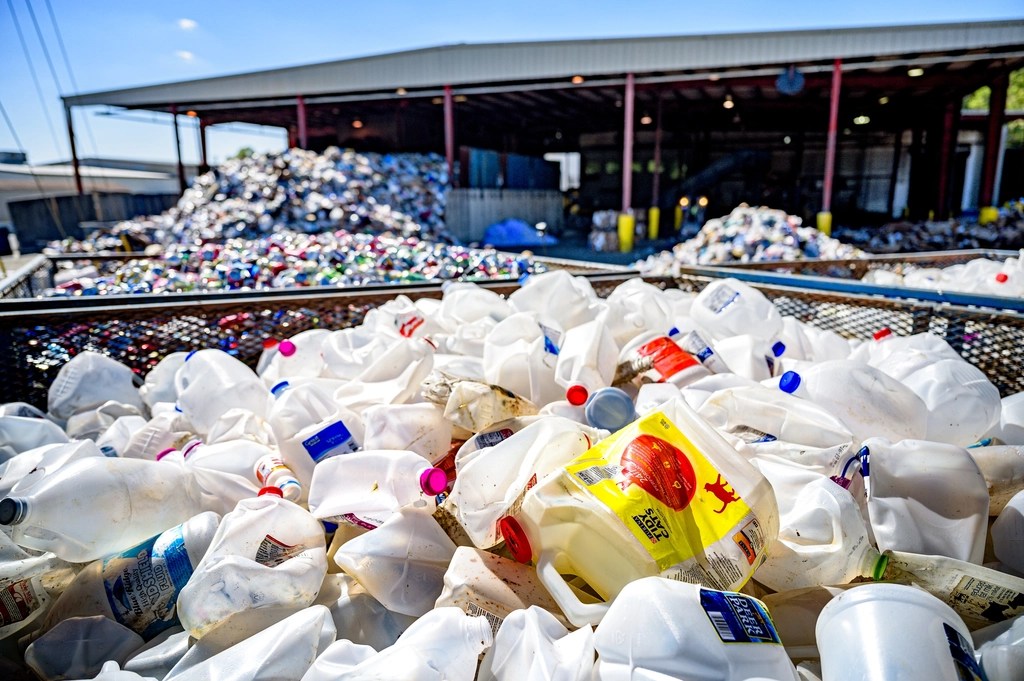
Plastic recycling is a critical component of waste management in the United Kingdom, given the extensive use of plastics in everyday life. Understanding the process, challenges, and advancements in plastic recycling helps appreciate the efforts toward environmental sustainability and the circular economy. This blog provides an in-depth look at how plastic is recycled in the UK, the processes involved, challenges faced, and future prospects.
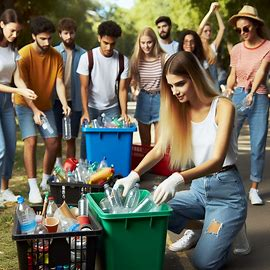
1. The Importance of Plastic Recycling
Plastic recycling plays a vital role in reducing the environmental impact of plastic waste. With the UK producing millions of tonnes of plastic waste annually, recycling helps mitigate the harmful effects on wildlife, ecosystems, and human health. Recycling plastic conserves natural resources, reduces greenhouse gas emissions, and decreases the dependency on fossil fuels for new plastic production.
2. Collection and Sorting
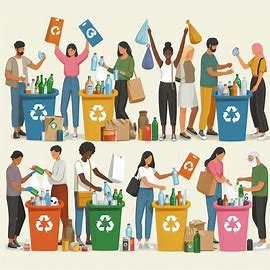
The first step in the plastic recycling process is the collection and sorting of plastic waste. In the UK, plastic waste is collected through various channels, including:
- Kerbside Collection: Local councils provide recycling bins to households for the collection of plastic waste, which is then collected on a scheduled basis.
- Recycling Centers: Households can also take their plastic waste to designated recycling centers.
- Deposit Return Schemes: Some regions have implemented deposit return schemes where consumers receive a refund for returning plastic bottles.
- Commercial and Industrial Collection: Businesses and industries also contribute to plastic recycling through dedicated collection services.
Once collected, the plastic waste is transported to recycling facilities where it undergoes sorting. Sorting is a crucial step as different types of plastics have different recycling processes. The sorting process involves both manual and automated methods, such as:
- Manual Sorting: Workers manually sort plastic waste to remove contaminants and separate different types of plastics.
- Automated Sorting: Technologies like near-infrared (NIR) sensors, optical sorters, and air classifiers are used to identify and separate different plastics based on their polymer types and colors.

3. Cleaning and Shredding
After sorting, the plastic waste is thoroughly cleaned to remove any impurities, such as labels, adhesives, food residues, and other contaminants. The cleaning process typically involves:
- Washing: The plastic waste is washed in large tanks using water and detergents to remove dirt and contaminants.
- Rinsing: The washed plastic is then rinsed to remove any remaining cleaning agents.
Once cleaned, the plastic waste is shredded into small pieces called flakes. Shredding reduces the size of the plastic materials, making them easier to handle and process in the subsequent recycling stages.
4. Further Sorting and Identification
The shredded plastic flakes undergo further sorting to ensure that only high-quality materials are used for recycling. This stage involves:
- Density Separation: Plastics are separated based on their density using flotation tanks. Different plastics have different buoyancies, allowing them to be separated as they float or sink.
- Electrostatic Separation: This technique uses electrical charges to separate plastics based on their ability to conduct electricity.
- Near-Infrared Spectroscopy: NIR technology is used again to identify and separate specific types of plastics.
5. Melting and Reprocessing
After thorough sorting and cleaning, the plastic flakes are ready for melting and reprocessing. The reprocessing stage varies depending on the type of plastic:
- Extrusion: In this process, plastic flakes are melted and forced through an extruder to form continuous plastic strands. These strands are then cooled and cut into pellets or granules, which can be used to manufacture new plastic products.
- Injection Molding: Melted plastic is injected into molds to create new plastic items, such as containers, bottles, and packaging materials.
- Blow Molding: This technique is used to produce hollow plastic products, such as bottles and containers, by inflating melted plastic in a mold.
6. Types of Recycled Plastics
Different types of plastics are recycled to create various products. The most common types of recycled plastics in the UK include:
- Polyethylene Terephthalate (PET): Recycled PET is used to make new bottles, food containers, and textile fibers.
- High-Density Polyethylene (HDPE): Recycled HDPE is used in the production of pipes, plastic lumber, and detergent bottles.
- Polyvinyl Chloride (PVC): Recycled PVC is used in construction materials, pipes, and flooring.
- Low-Density Polyethylene (LDPE): Recycled LDPE is used in plastic bags, film wraps, and bin liners.
- Polypropylene (PP): Recycled PP is used to manufacture automotive parts, textiles, and packaging materials.
- Polystyrene (PS): Recycled PS is used in insulation materials, packaging, and disposable cutlery.
7. Challenges in Plastic Recycling
Despite the advancements in plastic recycling, several challenges persist in the UK:
- Contamination: Contaminated plastic waste can compromise the quality of recycled materials, making it essential to improve sorting and cleaning processes.
- Complexity of Plastics: The wide variety of plastics, each with different properties and recycling requirements, complicates the recycling process.
- Market Demand: The demand for recycled plastics fluctuates, affecting the economic viability of recycling operations.
- Technological Limitations: Current recycling technologies have limitations in processing certain types of plastics, such as multi-layered packaging and thermoset plastics.
- Public Participation: Encouraging consistent public participation in recycling programs and educating people about proper recycling practices remains a challenge.
8. Government Policies and Initiatives
The UK government has implemented several policies and initiatives to promote plastic recycling and reduce plastic waste:
- Plastic Packaging Tax: Introduced in April 2022, this tax incentivizes the use of recycled plastic in packaging by imposing a levy on packaging that does not contain at least 30% recycled plastic.
- Extended Producer Responsibility (EPR): This policy holds producers accountable for the entire lifecycle of their products, including post-consumer waste management.
- Plastic Waste Export Ban: The UK has committed to banning the export of plastic waste to non-OECD countries to ensure that plastic waste is managed responsibly.
- Deposit Return Schemes: These schemes encourage the return and recycling of plastic bottles by offering financial incentives to consumers.
9. Innovations and Future Prospects
The future of plastic recycling in the UK looks promising, with several innovations and advancements on the horizon:
- Chemical Recycling: Unlike mechanical recycling, chemical recycling breaks down plastics into their basic chemical components, allowing for the recycling of complex and contaminated plastics.
- Advanced Sorting Technologies: Continued development of advanced sorting technologies, such as artificial intelligence and robotics, will improve the efficiency and accuracy of plastic sorting.
- Biodegradable Plastics: Research and development of biodegradable plastics can reduce the environmental impact of plastic waste and improve recycling rates.
- Circular Economy: Embracing a circular economy model, where products are designed for reuse, repair, and recycling, will enhance sustainability and resource efficiency.
- Public Awareness Campaigns: Increasing public awareness about the importance of plastic recycling and educating consumers on proper recycling practices can boost participation rates and reduce contamination.
Conclusion
Plastic recycling in the UK is a complex and multi-faceted process involving collection, sorting, cleaning, shredding, melting, and reprocessing. While challenges such as contamination, technological limitations, and market demand persist, government policies, innovative technologies, and increased public awareness are driving positive change. By understanding the intricacies of plastic recycling and supporting initiatives that promote sustainability, the UK can continue to make significant strides towards reducing plastic waste and fostering a circular economy.
<meta name="fo-verify" content="c5832f87-839b-4e10-b64b-3fcff16601e2" />
 Waste Management Services