
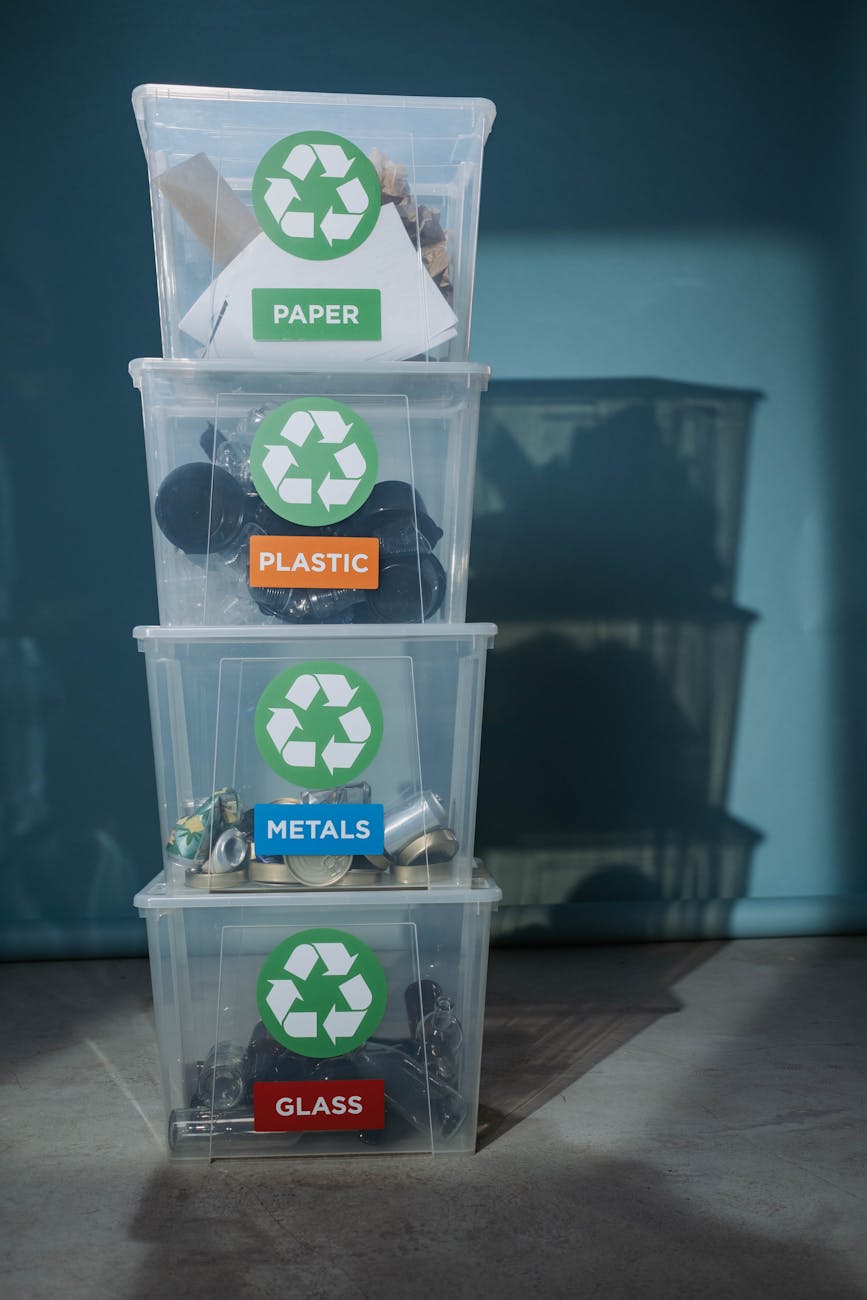
Plastic waste has become a global environmental crisis, with millions of tons ending up in oceans, landfills, and natural habitats every year. The United Kingdom, like many other countries, has recognized the urgent need to address plastic waste and has implemented various policies and initiatives to combat this growing problem. This blog delves into the UK’s policy on plastic waste, exploring its history, key components, and the challenges and successes encountered along the way.

Historical Context
The UK’s journey towards managing plastic waste effectively has evolved significantly over the years. Initially, plastic waste management was not a major focus, with efforts primarily centered on general waste management and recycling. However, the increasing visibility of plastic pollution, particularly in marine environments, spurred a shift in policy and public awareness.
In 1996, the UK introduced its first Producer Responsibility Obligations (Packaging Waste) Regulations, requiring businesses to take responsibility for the packaging waste they produce. This was a foundational step towards acknowledging the role of producers in managing plastic waste. Over the years, these regulations have been updated and expanded to include more stringent requirements and a broader range of materials.
Key Components of the UK Policy on Plastic Waste
The UK’s policy on plastic waste is multifaceted, involving legislation, initiatives, and collaborations aimed at reducing plastic consumption, increasing recycling rates, and promoting sustainable alternatives. Here are the key components of the UK’s plastic waste policy:
1. The 25-Year Environment Plan
Launched in 2018, the 25-Year Environment Plan sets out the UK government’s long-term vision for environmental protection and enhancement. One of its primary goals is to eliminate avoidable plastic waste by the end of 2042. The plan outlines several measures to achieve this target, including:
- Banning problematic plastics: The UK has already banned single-use plastic straws, stirrers, and cotton buds. The plan envisions expanding such bans to other problematic plastic items.
- Introducing plastic-free aisles: Encouraging supermarkets to create plastic-free aisles to provide consumers with more sustainable choices.
- Supporting innovation: Investing in research and development to create sustainable alternatives to plastic.
2. The Plastic Packaging Tax
Introduced in April 2022, the Plastic Packaging Tax is a key component of the UK’s strategy to reduce plastic waste. The tax applies to plastic packaging produced in or imported into the UK that does not contain at least 30% recycled plastic. This tax incentivizes businesses to increase the recycled content in their packaging and reduce their reliance on virgin plastic.
3. Extended Producer Responsibility (EPR)
The concept of Extended Producer Responsibility (EPR) is central to the UK’s approach to managing plastic waste. EPR shifts the responsibility for managing waste from consumers and local authorities to the producers of plastic products. Under EPR, producers are required to cover the full costs of managing the waste associated with their products, including collection, recycling, and disposal.
The UK government has been working on expanding EPR schemes to cover a wider range of plastic products, ensuring that producers take greater responsibility for the environmental impact of their products throughout their lifecycle.
4. Deposit Return Scheme (DRS)
The Deposit Return Scheme (DRS) is another significant initiative aimed at reducing plastic waste. The DRS is designed to encourage consumers to return their used plastic bottles and cans by offering a financial incentive. Consumers pay a small deposit when purchasing a drink in a plastic bottle or can, which they can reclaim upon returning the empty container to a designated collection point.
The DRS is set to be introduced in England, Wales, and Northern Ireland in 2024, following successful implementations in other countries. This scheme is expected to significantly increase recycling rates and reduce littering.
5. Single-Use Plastics Directive
In line with the European Union’s Single-Use Plastics Directive, which the UK adopted before Brexit, the UK has implemented measures to reduce the consumption of single-use plastics. This includes bans on specific single-use plastic items, requirements for product labeling, and targets for reducing the consumption of single-use plastic products.
6. Plastic Waste Export Regulations
Recognizing the environmental and ethical issues associated with exporting plastic waste to other countries, the UK has introduced stricter regulations on plastic waste exports. These regulations aim to ensure that exported plastic waste is managed in an environmentally sound manner and does not contribute to pollution in recipient countries.
Successes and Challenges
The UK’s policy on plastic waste has seen several successes, but it has also faced challenges. Here are some of the notable successes and ongoing challenges:
Successes
- Increased Recycling Rates: The UK has made significant progress in increasing recycling rates, particularly for plastic packaging. The introduction of EPR and other initiatives has contributed to higher recycling rates and better waste management practices.
- Public Awareness: Public awareness of plastic pollution has grown considerably, driven by campaigns, media coverage, and government initiatives. This increased awareness has led to changes in consumer behavior, with more people opting for reusable and sustainable alternatives.
- Innovation and Investment: The focus on innovation and investment in sustainable alternatives to plastic has led to the development of new materials and technologies. This has created opportunities for businesses and researchers to contribute to a more sustainable future.
Challenges
- Implementation and Compliance: Ensuring compliance with new regulations and initiatives can be challenging. Businesses need time and resources to adapt to new requirements, and enforcement mechanisms need to be robust to ensure compliance.
- Plastic Waste Exports: Despite stricter regulations, the issue of plastic waste exports remains a challenge. Ensuring that exported plastic waste is managed responsibly and does not contribute to pollution in other countries requires ongoing vigilance and international cooperation.
- Consumer Behavior: Changing consumer behavior is a gradual process. While there has been progress, encouraging widespread adoption of sustainable practices and reducing reliance on single-use plastics requires sustained efforts and education.
Future Directions
The UK’s policy on plastic waste is continually evolving, with new initiatives and measures being introduced to address emerging challenges and opportunities. Here are some potential future directions for the UK’s plastic waste policy:
1. Expanding Bans on Single-Use Plastics
The UK government may consider expanding bans on single-use plastics to include more items, such as plastic cutlery, plates, and food containers. By targeting a broader range of single-use plastic products, the government can further reduce plastic waste and encourage the use of sustainable alternatives.
2. Strengthening EPR Schemes
Strengthening and expanding EPR schemes to cover additional plastic products and packaging types can enhance the effectiveness of these schemes. This may involve increasing the financial contributions required from producers and ensuring that funds are used effectively to improve waste management infrastructure and recycling rates.
3. Promoting Circular Economy Practices
The transition to a circular economy, where products and materials are reused, repaired, and recycled to minimize waste, is a key objective for the UK’s plastic waste policy. Promoting circular economy practices can involve incentivizing businesses to design products with longer lifespans, supporting repair and reuse initiatives, and investing in recycling technologies.
4. International Collaboration
Plastic pollution is a global problem that requires international cooperation to address effectively. The UK can play a leading role in fostering international collaboration on plastic waste management, including sharing best practices, supporting capacity-building efforts in developing countries, and participating in global initiatives to reduce plastic pollution.
5. Enhancing Consumer Education
Continued efforts to educate consumers about the environmental impact of plastic waste and the importance of sustainable practices are essential. Public awareness campaigns, educational programs, and partnerships with businesses and community organizations can help drive behavioral change and reduce plastic consumption.
Conclusion
The UK’s policy on plastic waste represents a comprehensive and evolving approach to addressing one of the most pressing environmental challenges of our time. Through a combination of legislation, initiatives, and public awareness efforts, the UK is making significant strides towards reducing plastic waste and promoting sustainability. However, ongoing challenges and emerging opportunities require continuous adaptation and innovation.
As the UK moves forward, the commitment to a circular economy, international collaboration, and robust enforcement of regulations will be crucial in achieving the goal of eliminating avoidable plastic waste by 2042. By building on the successes and learning from the challenges, the UK can continue to lead the way in creating a more sustainable and plastic-free future.
 Waste Management Services