How Paper Recycling Helps the Environment

Introduction

In our rapidly evolving world, where sustainability is becoming more crucial than ever, paper recycling emerges as a critical player in the quest for environmental preservation. Paper, a ubiquitous commodity, forms the backbone of our daily lives, from office documents to packaging. However, its environmental impact can be significant if not managed properly. This blog explores the multifaceted ways in which paper recycling contributes to environmental conservation, examining its benefits, processes, challenges, and future prospects. By delving into these aspects, we will uncover how paper recycling is not just a waste management practice but a fundamental component of a sustainable future.

Waste: The Importance of Paper Recycling

Paper recycling is a process through which used paper products are collected, sorted, and converted into new paper products. This practice helps mitigate the environmental impact associated with paper production and waste. Understanding its significance involves looking at several critical factors:
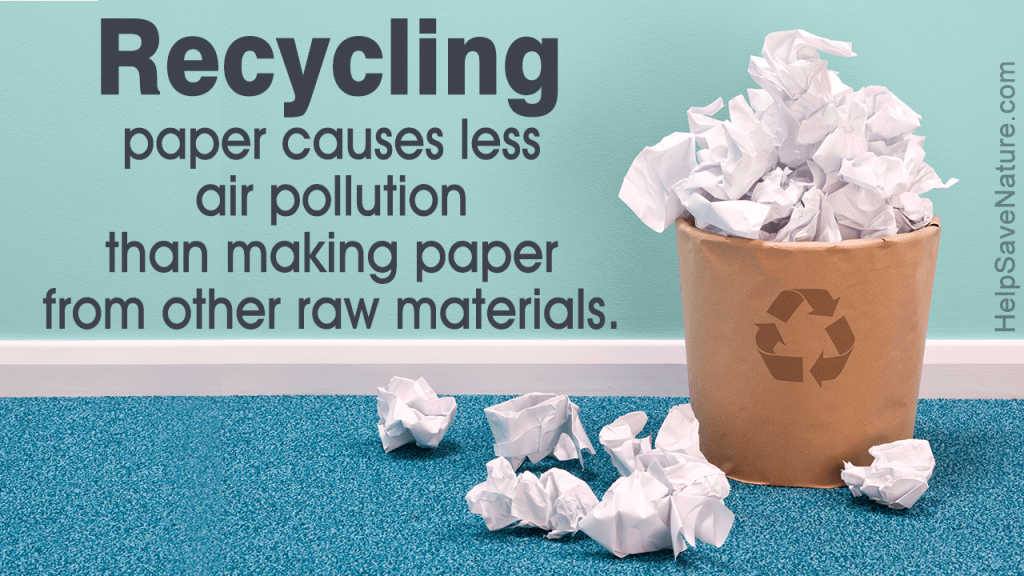
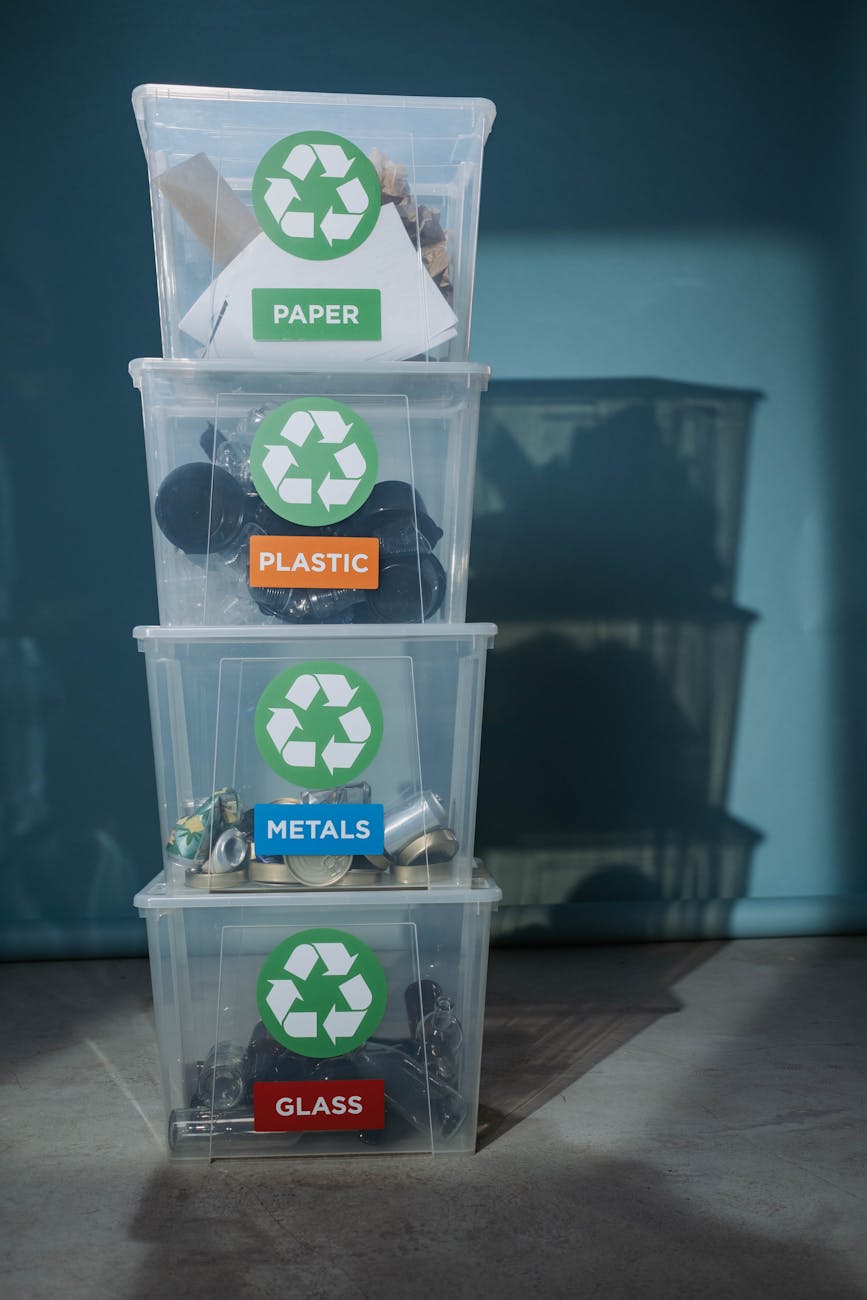
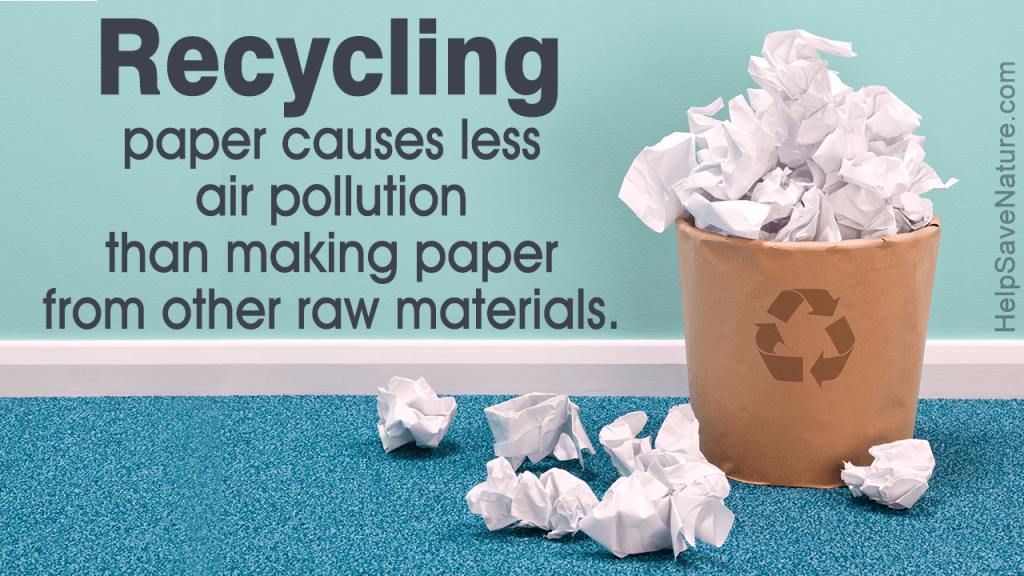
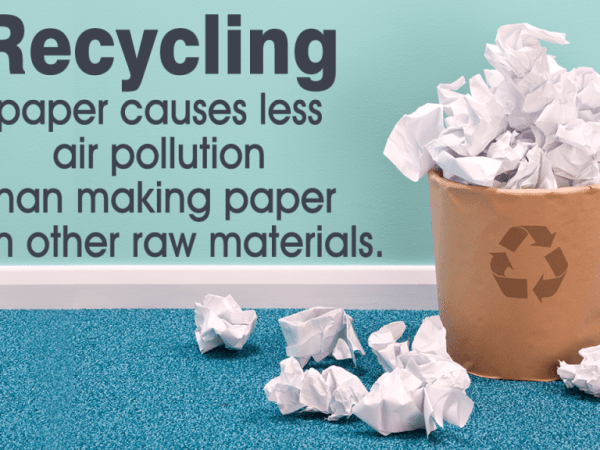
paper Waste basket

1. Reduction in Waste

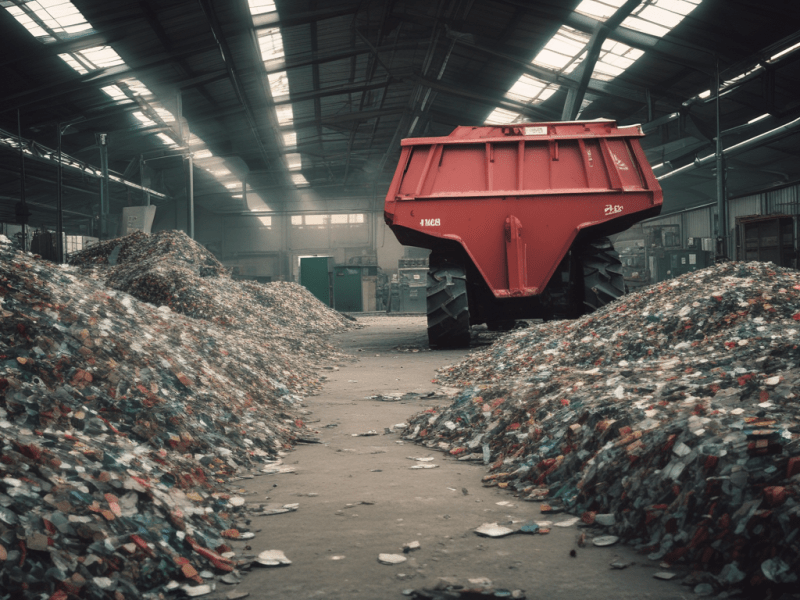
One of the most direct benefits of paper recycling is the reduction of waste. Paper accounts for a substantial portion of municipal solid waste. In the U.S., for example, paper and paperboard make up about 25% of all waste sent to landfills. By recycling paper, we divert this waste from landfills, reducing the strain on waste management systems and extending the lifespan of landfills.

2. Conservation of Resources

Producing paper from recycled materials requires fewer raw materials compared to making paper from virgin wood pulp. By recycling paper, we conserve natural resources such as trees, water, and energy. Each ton of recycled paper can save approximately 17 trees, 7,000 gallons of water, and 4,100 kilowatts of electricity.

3. Waste: Reduction in Pollution

Paper production from virgin materials involves several stages that generate pollutants, including air and water pollution. By recycling paper, we minimize the need for new raw materials, which in turn reduces emissions of harmful substances and decreases water and air pollution associated with paper manufacturing.

4. Waste: Energy Savings

The energy required to produce paper from recycled fibers is significantly lower than that needed to produce paper from virgin fibers. Recycling paper can save up to 40% of the energy required for new paper production. This reduction in energy consumption contributes to lower greenhouse gas emissions, which helps combat climate change.

Waste: The Paper Recycling Process

Understanding the environmental benefits of paper recycling requires a closer look at how the recycling process works. Here’s a detailed overview of the steps involved:

Waste cycle

1. Collection and Sorting

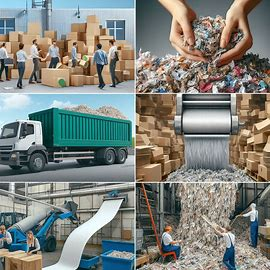
The recycling process begins with the collection of used paper products. This is typically done through curbside pickup, drop-off centers, or commercial collection services. Once collected, the paper is transported to a recycling facility where it is sorted into different grades, such as newsprint, cardboard, and office paper.

2. Shredding and Pulping

After sorting, the paper is shredded into small pieces and mixed with water to create a slurry called pulp. This pulp is then processed to remove any contaminants, such as staples, labels, or glue, which can interfere with the recycling process.

3. Deinking

The next step involves removing ink and other impurities from the pulp. This is achieved through various methods, including flotation, which separates ink particles from the paper fibers. Deinking ensures that the recycled paper has a clean and uniform appearance.

4. Bleaching and Refining

Depending on the desired quality of the recycled paper, the pulp may undergo bleaching to achieve a whiter color. This step is often optional and depends on the end use of the paper. The pulp is then refined to improve its strength and consistency.

5. Papermaking

The cleaned and refined pulp is then spread onto screens to form a continuous sheet. This sheet is pressed to remove excess water and then dried to create paper. The dried paper is rolled into large reels and can be further processed into various products, such as newsprint, cardboard, and packaging materials.

6. Recycling into New Products

The final step involves converting the recycled paper into new products. These can range from new paper products like tissues and notebooks to packaging materials and cardboard boxes. The recycled paper fibers can be reused multiple times, although they gradually lose strength with each cycle.

Waste: Environmental Benefits of Paper Recycling

The environmental advantages of paper recycling are manifold, contributing to a more sustainable planet. Here’s an in-depth look at how recycling paper positively impacts the environment:

benefits of recycling Paper

1. Preservation of Forests

Forests are vital ecosystems that support biodiversity, regulate climate, and provide resources for millions of people. By recycling paper, we reduce the demand for virgin wood pulp, thereby helping to preserve forests and combat deforestation. This preservation of forests also contributes to maintaining wildlife habitats and promoting ecological balance.

2. Reduction in Greenhouse Gas Emissions

Paper recycling plays a crucial role in reducing greenhouse gas emissions. The energy savings associated with recycling paper translate into lower carbon dioxide emissions. By reducing the need for new paper production, which is energy-intensive, recycling helps mitigate climate change and its associated impacts.

3. Conservation of Water Resources

The paper production process consumes large quantities of water, both for growing trees and for processing the wood into paper. By recycling paper, we conserve water resources by reducing the need for new paper production. This conservation is particularly important in regions experiencing water scarcity.

4. Decreased Pollution

Recycling paper results in lower emissions of pollutants such as sulfur dioxide, nitrogen oxides, and particulate matter. It also reduces water pollution, as recycled paper production generates less wastewater compared to manufacturing paper from virgin fibers. This reduction in pollution benefits both human health and the environment.

5. Energy Efficiency

Recycling paper saves significant amounts of energy compared to producing paper from raw materials. This energy efficiency translates into lower reliance on fossil fuels and reduced greenhouse gas emissions
blogs

“How the UK Transforms Plastic Waste into New Products”

Plastic recycling is a critical component of waste management in the United Kingdom, given the extensive use of plastics in everyday life. Understanding the process, challenges, and advancements in plastic recycling helps appreciate the efforts toward environmental sustainability and the circular economy. This blog provides an in-depth look at how plastic is recycled in the UK, the processes involved, challenges faced, and future prospects.

The Importance of Plastic Recycling

1. The Importance of Plastic Recycling

Plastic recycling plays a vital role in reducing the environmental impact of plastic waste. With the UK producing millions of tonnes of plastic waste annually, recycling helps mitigate the harmful effects on wildlife, ecosystems, and human health. Recycling plastic conserves natural resources, reduces greenhouse gas emissions, and decreases the dependency on fossil fuels for new plastic production.

 Collection and Sorting in plastic recycling

2. Collection and Sorting

The first step in the plastic recycling process is the collection and sorting of plastic waste. In the UK, plastic waste is collected through various channels, including:

  • Kerbside Collection: Local councils provide recycling bins to households for the collection of plastic waste, which is then collected on a scheduled basis.
  • Recycling Centers: Households can also take their plastic waste to designated recycling centers.
  • Deposit Return Schemes: Some regions have implemented deposit return schemes where consumers receive a refund for returning plastic bottles.
  • Commercial and Industrial Collection: Businesses and industries also contribute to plastic recycling through dedicated collection services.

Once collected, the plastic waste is transported to recycling facilities where it undergoes sorting. Sorting is a crucial step as different types of plastics have different recycling processes. The sorting process involves both manual and automated methods, such as:

  • Manual Sorting: Workers manually sort plastic waste to remove contaminants and separate different types of plastics.
  • Automated Sorting: Technologies like near-infrared (NIR) sensors, optical sorters, and air classifiers are used to identify and separate different plastics based on their polymer types and colors.
The Cleaning and Shredding process in plastic recycling

3. Cleaning and Shredding

After sorting, the plastic waste is thoroughly cleaned to remove any impurities, such as labels, adhesives, food residues, and other contaminants. The cleaning process typically involves:

  • Washing: The plastic waste is washed in large tanks using water and detergents to remove dirt and contaminants.
  • Rinsing: The washed plastic is then rinsed to remove any remaining cleaning agents.

Once cleaned, the plastic waste is shredded into small pieces called flakes. Shredding reduces the size of the plastic materials, making them easier to handle and process in the subsequent recycling stages.

4. Further Sorting and Identification

The shredded plastic flakes undergo further sorting to ensure that only high-quality materials are used for recycling. This stage involves:

  • Density Separation: Plastics are separated based on their density using flotation tanks. Different plastics have different buoyancies, allowing them to be separated as they float or sink.
  • Electrostatic Separation: This technique uses electrical charges to separate plastics based on their ability to conduct electricity.
  • Near-Infrared Spectroscopy: NIR technology is used again to identify and separate specific types of plastics.

5. Melting and Reprocessing

After thorough sorting and cleaning, the plastic flakes are ready for melting and reprocessing. The reprocessing stage varies depending on the type of plastic:

  • Extrusion: In this process, plastic flakes are melted and forced through an extruder to form continuous plastic strands. These strands are then cooled and cut into pellets or granules, which can be used to manufacture new plastic products.
  • Injection Molding: Melted plastic is injected into molds to create new plastic items, such as containers, bottles, and packaging materials.
  • Blow Molding: This technique is used to produce hollow plastic products, such as bottles and containers, by inflating melted plastic in a mold.

6. Types of Recycled Plastics

Different types of plastics are recycled to create various products. The most common types of recycled plastics in the UK include:

  • Polyethylene Terephthalate (PET): Recycled PET is used to make new bottles, food containers, and textile fibers.
  • High-Density Polyethylene (HDPE): Recycled HDPE is used in the production of pipes, plastic lumber, and detergent bottles.
  • Polyvinyl Chloride (PVC): Recycled PVC is used in construction materials, pipes, and flooring.
  • Low-Density Polyethylene (LDPE): Recycled LDPE is used in plastic bags, film wraps, and bin liners.
  • Polypropylene (PP): Recycled PP is used to manufacture automotive parts, textiles, and packaging materials.
  • Polystyrene (PS): Recycled PS is used in insulation materials, packaging, and disposable cutlery.

7. Challenges in Plastic Recycling

Despite the advancements in plastic recycling, several challenges persist in the UK:

  • Contamination: Contaminated plastic waste can compromise the quality of recycled materials, making it essential to improve sorting and cleaning processes.
  • Complexity of Plastics: The wide variety of plastics, each with different properties and recycling requirements, complicates the recycling process.
  • Market Demand: The demand for recycled plastics fluctuates, affecting the economic viability of recycling operations.
  • Technological Limitations: Current recycling technologies have limitations in processing certain types of plastics, such as multi-layered packaging and thermoset plastics.
  • Public Participation: Encouraging consistent public participation in recycling programs and educating people about proper recycling practices remains a challenge.

8. Government Policies and Initiatives

The UK government has implemented several policies and initiatives to promote plastic recycling and reduce plastic waste:

  • Plastic Packaging Tax: Introduced in April 2022, this tax incentivizes the use of recycled plastic in packaging by imposing a levy on packaging that does not contain at least 30% recycled plastic.
  • Extended Producer Responsibility (EPR): This policy holds producers accountable for the entire lifecycle of their products, including post-consumer waste management.
  • Plastic Waste Export Ban: The UK has committed to banning the export of plastic waste to non-OECD countries to ensure that plastic waste is managed responsibly.
  • Deposit Return Schemes: These schemes encourage the return and recycling of plastic bottles by offering financial incentives to consumers.

9. Innovations and Future Prospects

The future of plastic recycling in the UK looks promising, with several innovations and advancements on the horizon:

  • Chemical Recycling: Unlike mechanical recycling, chemical recycling breaks down plastics into their basic chemical components, allowing for the recycling of complex and contaminated plastics.
  • Advanced Sorting Technologies: Continued development of advanced sorting technologies, such as artificial intelligence and robotics, will improve the efficiency and accuracy of plastic sorting.
  • Biodegradable Plastics: Research and development of biodegradable plastics can reduce the environmental impact of plastic waste and improve recycling rates.
  • Circular Economy: Embracing a circular economy model, where products are designed for reuse, repair, and recycling, will enhance sustainability and resource efficiency.
  • Public Awareness Campaigns: Increasing public awareness about the importance of plastic recycling and educating consumers on proper recycling practices can boost participation rates and reduce contamination.

Conclusion

Plastic recycling in the UK is a complex and multi-faceted process involving collection, sorting, cleaning, shredding, melting, and reprocessing. While challenges such as contamination, technological limitations, and market demand persist, government policies, innovative technologies, and increased public awareness are driving positive change. By understanding the intricacies of plastic recycling and supporting initiatives that promote sustainability, the UK can continue to make significant strides towards reducing plastic waste and fostering a circular economy.

Read more

<meta name="fo-verify" content="c5832f87-839b-4e10-b64b-3fcff16601e2" />

The Environmental Benefits of Paper Recycling

In today’s world, environmental sustainability has become a crucial topic as the planet faces significant ecological challenges. One of the essential aspects of environmental conservation is recycling, particularly paper recycling. Paper, a ubiquitous material in our daily lives, plays a vital role in communication, education, packaging, and countless other applications.

However, its production and disposal have substantial environmental impacts. This blog explores how paper recycling helps the environment, delving into its benefits, processes, and the role each of us can play in making a difference. Today you will be learning about Sustainable Living: The Environmental Benefits of Paper Recycling.

The Environmental Impact of Paper Production

Before understanding the benefits of paper recycling, it is essential to grasp the environmental footprint of paper production. The process of making paper from virgin wood involves several stages, each contributing to environmental degradation:

  1. Deforestation: The primary raw material for paper production is wood, which comes from trees. Large-scale logging for paper manufacturing leads to deforestation, reducing forest cover and biodiversity. Forests act as carbon sinks, absorbing carbon dioxide from the atmosphere. When they are cut down, not only is this carbon storage capacity lost, but the carbon stored in the trees is also released back into the atmosphere, contributing to climate change.
  2. Energy Consumption: Paper production is an energy-intensive process. From logging to transportation to processing, significant amounts of energy are required, much of which comes from non-renewable fossil fuels. This energy consumption results in greenhouse gas emissions, further exacerbating climate change.
  3. Water Usage: The paper manufacturing process consumes vast amounts of water, which is used for pulp production, washing, and cooling. This high water usage can deplete local water resources and affect aquatic ecosystems.
  4. Chemical Pollution: Paper production involves the use of various chemicals, including chlorine for bleaching. These chemicals can contaminate water bodies, harming aquatic life and potentially entering human drinking water supplies.
  5. Waste Generation: The production process generates substantial waste, including wood chips, bark, and sludge. Improper disposal of this waste can lead to environmental contamination.
The Paper Recycling Process

The Paper Recycling Process

Recycling paper involves collecting, processing, and reusing paper products to produce new paper. The process can be broken down into several key stages:

  1. Collection: Paper recycling begins with the collection of used paper from households, businesses, and institutions. This can include newspapers, office paper, cardboard, and more. Collection is typically done through curbside recycling programs, drop-off centers, and recycling bins placed in public areas.
  2. Sorting and Grading: Once collected, the paper is sorted and graded based on its quality and type. Different grades of paper are processed separately to ensure the final recycled product meets quality standards. Common grades include mixed paper, office paper, newspaper, and corrugated cardboard.
  3. Shredding and Pulping: After sorting, the paper is shredded into small pieces and mixed with water to create a pulp. The pulping process breaks down the fibers, making them suitable for forming new paper. During this stage, contaminants such as staples, plastic, and adhesives are removed.
  4. Deinking and Cleaning: To produce high-quality recycled paper, the pulp is deinked and cleaned. Deinking involves removing ink, glue, and other residues from the paper fibers. Various methods, such as flotation and washing, are used to achieve this.
  5. Refining and Bleaching: The cleaned pulp is refined to improve the fiber quality and enhance the paper’s strength. If white paper is desired, the pulp may be bleached using environmentally friendly bleaching agents to achieve the desired whiteness.
  6. Papermaking: The refined pulp is then fed into a paper machine, where it is formed into sheets, pressed, and dried. The result is new paper products that can be used for various purposes, from packaging to printing.
  7. Finishing and Converting: The newly formed paper is rolled, cut, and converted into finished products such as notebooks, cardboard boxes, and printing paper.
Environmental Benefits of Paper Recycling

Environmental Benefits of Paper Recycling

Recycling paper offers numerous environmental benefits, making it a critical component of sustainable waste management and conservation efforts. Here are some of the key advantages:

1. Reduces Deforestation

One of the most significant benefits of paper recycling is the reduction in the demand for virgin wood. By reusing existing paper fibers, fewer trees need to be cut down to produce new paper. This conservation of forests helps maintain biodiversity, protect wildlife habitats, and preserve the ecological balance. Forests play a crucial role in mitigating climate change by absorbing carbon dioxide, so protecting them through recycling is a vital environmental strategy.

2. Saves Energy

The energy required to produce recycled paper is significantly lower than that needed for virgin paper. Recycling paper uses approximately 60% less energy than manufacturing paper from raw materials. This energy savings translates to reduced greenhouse gas emissions and a smaller carbon footprint. By choosing recycled paper, we can help combat climate change by lowering our energy consumption and reliance on fossil fuels.

3. Conserves Water

Paper recycling is also beneficial in terms of water conservation. The production of recycled paper requires less water compared to making paper from wood pulp. This reduction in water usage is particularly important in regions facing water scarcity and helps protect aquatic ecosystems by reducing the demand for water withdrawals from rivers and lakes.

4. Reduces Pollution

Recycling paper helps minimize the release of harmful chemicals and pollutants into the environment. The pulping and bleaching processes for virgin paper involve the use of various chemicals, some of which can be toxic. By recycling paper, we reduce the need for these chemicals, thereby decreasing the risk of water and soil contamination. Additionally, recycling paper reduces the amount of waste sent to landfills, where it can produce methane, a potent greenhouse gas, as it decomposes.

5. Decreases Landfill Waste

Paper waste constitutes a significant portion of municipal solid waste. By recycling paper, we divert it from landfills, reducing the volume of waste that needs to be managed. This not only extends the lifespan of existing landfills but also lessens the environmental impact associated with landfill operations, such as leachate production and methane emissions.

6. Promotes Sustainable Practices

Paper recycling fosters a culture of sustainability and environmental responsibility. When individuals and organizations actively participate in recycling programs, they contribute to a circular economy where materials are reused, and waste is minimized. This shift towards sustainable practices can inspire further efforts to reduce, reuse, and recycle other materials, leading to broader environmental benefits.

Challenges and Solutions in Paper Recycling

While paper recycling offers significant environmental advantages, it is not without its challenges. Addressing these challenges is crucial to maximizing the benefits of recycling:

1. Contamination

One of the primary challenges in paper recycling is contamination. Non-paper materials such as plastic, food waste, and metal can contaminate the recycling stream, reducing the quality of the recycled paper and increasing processing costs. Public education and awareness campaigns can help reduce contamination by informing people about what can and cannot be recycled.

2. Quality of Recycled Paper

Recycled paper fibers tend to be shorter and weaker than virgin fibers, which can affect the quality of the final product. To overcome this, paper manufacturers often blend recycled fibers with virgin fibers to maintain the desired strength and quality. Ongoing research and technological advancements are also helping to improve the quality of recycled paper.

3. Market Demand

The demand for recycled paper can fluctuate based on market conditions and consumer preferences. Ensuring a stable market for recycled paper products is essential for the sustainability of recycling programs. Governments, businesses, and consumers can support this by prioritizing the purchase of recycled paper products and promoting policies that encourage recycling.

4. Infrastructure and Accessibility

Not all regions have the infrastructure or facilities needed to support efficient paper recycling. Expanding recycling programs and improving accessibility to recycling services can help increase participation rates and ensure that more paper is recycled. Investments in recycling infrastructure and technology can also enhance the efficiency and effectiveness of recycling operations.

How You Can Contribute to Paper Recycling

Everyone has a role to play in promoting paper recycling and contributing to environmental conservation. Here are some simple steps you can take to make a difference:

  1. Reduce Paper Consumption: Minimize your use of paper by opting for digital alternatives whenever possible. Use electronic documents, emails, and online storage to reduce the need for printed materials.
  2. Reuse Paper: Before recycling, consider reusing paper for notes, drafts, or crafts. Reusing paper extends its life and reduces the demand for new paper.
  3. Recycle Correctly: Follow local recycling guidelines to ensure you are recycling paper correctly. Avoid contaminating the recycling stream by keeping paper free of food, grease, and other non-paper materials.
  4. Buy Recycled Paper Products: Support the market for recycled paper by purchasing products made from recycled materials. Look for labels indicating recycled content and choose these products over those made from virgin fibers.
  5. Advocate for Recycling: Promote paper recycling in your community, workplace, and schools. Encourage others to participate in recycling programs and raise awareness about the environmental benefits of recycling.

Conclusion

Paper recycling is a powerful tool in the fight against environmental degradation and climate change. By reducing the need for virgin wood, conserving energy and water, minimizing pollution, and decreasing landfill waste, recycling paper helps protect our planet’s natural resources and promotes a sustainable future. While challenges exist, collective efforts at the individual, community, and policy levels can overcome these obstacles and maximize the positive impact of paper recycling. By making conscious choices and supporting recycling initiatives, each of us can contribute to a greener, healthier environment for future generations.

Please read some more of my recycling blogs

Turning Waste Rubber into Sustainable Solutions

The Future of Rubber Recycling

In our modern industrialized world, rubber plays a pivotal role in various aspects of everyday life. From automobile tires to industrial seals, from footwear to consumer goods, rubber products are ubiquitous. However, with the widespread use of rubber comes a significant environmental challenge: waste rubber disposal. The improper disposal of rubber products contributes to environmental degradation, posing risks to ecosystems and human health alike.

The Challenge of Waste Rubber

Rubber, a versatile material derived primarily from natural sources like latex from rubber trees or synthetic polymers, poses a unique challenge when it comes to disposal. Due to its durability and resilience, rubber products can take decades or even centuries to decompose naturally. Improperly discarded rubber products, such as tires, end up in landfills or are illegally dumped, creating eyesores and environmental hazards.

Environmental Impact

The environmental impact of waste rubber is multifaceted. When disposed of improperly, rubber products can leach harmful chemicals into the soil and water, leading to contamination. Moreover, the combustion of rubber releases toxic gases and particulate matter into the atmosphere, contributing to air pollution and potentially harming human health.

Economic opportunities
 of waste rubber recycling

Economic Opportunity

Despite the challenges posed by waste rubber, there exists a significant opportunity for innovation and economic growth through recycling. Recycling waste rubber not only mitigates environmental harm but also creates jobs and economic opportunities in the burgeoning field of sustainable materials.

Methods of waste rubber recycling

Methods of Rubber Recycling

method of rubber recycling

Mechanical Recycling

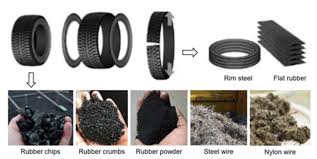
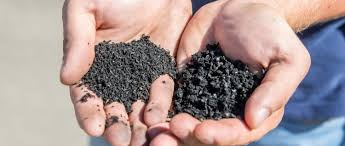
Mechanical recycling is one of the primary methods used to recycle waste rubber. This process involves shredding or granulating rubber products into smaller pieces, which can then be used as raw material in various applications. One common example is the recycling of end-of-life tires into crumb rubber, which can be used in sports surfaces, playgrounds, and as an additive in asphalt for road construction.

Devulcanization

Devulcanization is a process that involves breaking down the sulfur crosslinks in vulcanized rubber to restore its elasticity and processability. This method allows for the recycling of rubber products that would otherwise be difficult to reuse due to their vulcanized nature. Devulcanized rubber can be reprocessed and used in the manufacturing of new rubber products, thereby extending the lifecycle of the material.

Pyrolysis

Pyrolysis is an advanced recycling method that involves heating waste rubber in the absence of oxygen to break it down into valuable products such as pyrolysis oil, carbon black, and syngas. Pyrolysis offers a promising avenue for recycling waste rubber into high-value products that can be used in various industrial applications, including energy generation and chemical manufacturing.

Chemical Recycling

Chemical recycling encompasses various processes that use chemical reactions to break down waste rubber into its constituent molecules. These molecules can then be used as feedstock for the production of new polymers or other chemicals. Chemical recycling holds promise for creating a closed-loop system where waste rubber is continuously recycled without losing material properties.

Recycled rubber uses

Applications of Recycled Rubber Products

Construction Materials

Recycled rubber products find extensive use in the construction industry. Crumb rubber, for example, is used as an additive in asphalt pavements to improve durability, reduce road noise, and enhance skid resistance. Rubberized concrete, which incorporates recycled rubber aggregates, offers improved flexibility and impact resistance compared to traditional concrete.

Consumer Goods

Recycled rubber is also used in the manufacturing of consumer goods such as footwear, mats, and flooring. By incorporating recycled rubber into these products, manufacturers can reduce their environmental footprint while offering consumers sustainable alternatives.

Energy Generation

Pyrolysis oil derived from waste rubber can be used as a renewable fuel source for energy generation. The high calorific value of pyrolysis oil makes it suitable for use in industrial boilers, furnaces, and power plants, providing an environmentally friendly alternative to fossil fuels.

Challenges and Opportunities Ahead

While significant progress has been made in rubber recycling technologies, challenges remain. One of the key challenges is the collection and sorting of waste rubber, which can be costly and labor-intensive. Additionally, ensuring the quality and consistency of recycled rubber products is essential to gaining consumer trust and expanding market opportunities.

However, the future of rubber recycling is bright, with ongoing research and development efforts focused on improving recycling efficiency and expanding the range of applications for recycled rubber products. Innovations in chemical recycling and advanced materials science are paving the way for a circular economy where waste rubber is transformed into valuable resources.

Conclusion

In conclusion, waste rubber recycling represents a critical component of sustainable resource management in the 21st century. By recycling waste rubber into new products and materials, we can reduce environmental pollution, conserve natural resources, and create economic opportunities. Continued investment in research, infrastructure, and public awareness is essential to realizing the full potential of rubber recycling and building a more sustainable future for generations to come.

“How the UK Transforms Plastic Waste into New Products”

Plastic recycling is a critical component of waste management in the United Kingdom, given the extensive use of plastics in everyday life. Understanding the process, challenges, and advancements in plastic recycling helps appreciate the efforts toward environmental sustainability and the circular economy. This blog provides an in-depth look at how plastic is recycled in the…

Turning Waste Rubber into Sustainable Solutions

From automobile tires to industrial seals, from footwear to consumer goods, rubber products are ubiquitous. However, with the widespread use of rubber comes a significant environmental challenge: waste rubber disposal. The improper disposal of rubber products contributes to environmental degradation, posing risks to ecosystems and human health alike.

Read some more of my Blogs

The Endless Benefits of Plastic Recycling

A Sustainable Solution for a Greener Future

benefits of plastic recycling

In an era where environmental consciousness is at its peak, the role of plastic recycling cannot be overstated. Plastics, ubiquitous in our daily lives, have garnered significant attention due to their environmental impact. The process of recycling plastic offers numerous benefits, not only in reducing waste but also in conserving resources and mitigating pollution. This blog explores comprehensively the multifaceted advantages of plastic recycling, ranging from environmental to economic and societal impacts.
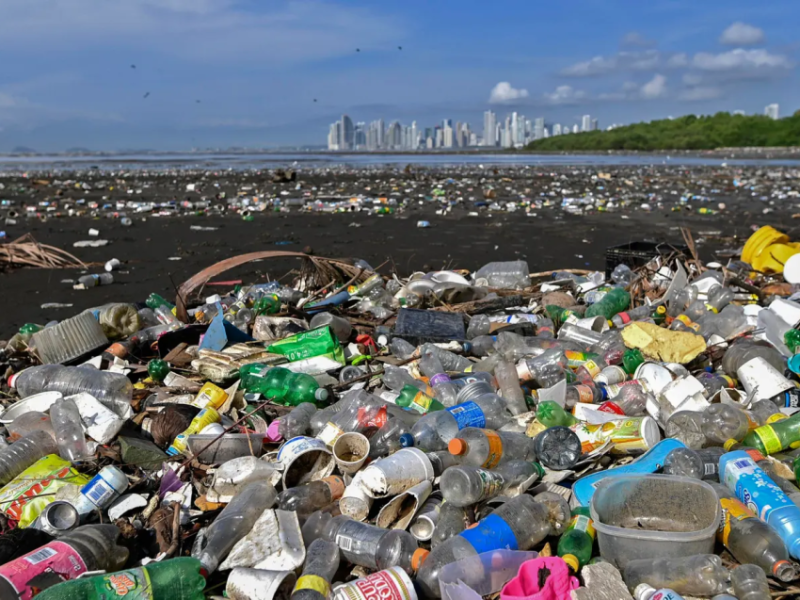
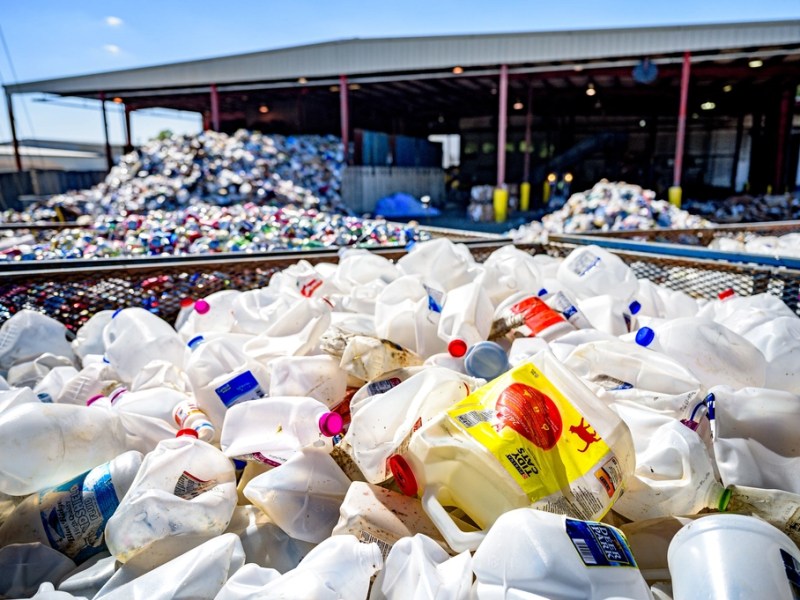
Waste plastic bottles

Understanding Plastic Recycling

Plastic recycling refers to the process of recovering waste or scrap plastic and reprocessing it into useful products. This process involves several stages, including collection, sorting, cleaning, shredding, melting, and reforming into new items. The types of plastics that can be recycled vary, and advancements in technology continue to expand the range of recyclable plastics and Waste.

Environmental Benefits of Plastic Recycling

  1. Reduction in Waste: Plastics constitute a significant portion of municipal solid waste globally. By recycling plastics, we divert them from landfills and incinerators, thereby reducing the burden on waste management systems.
  2. Conservation of Resources: Recycling plastic reduces the demand for virgin materials such as crude oil and natural gas, which are used to produce plastics. This conservation of resources contributes to sustainable resource management.
  3. Energy Savings: The energy required to recycle plastic is typically lower than that needed to produce new plastic from raw materials. This energy savings helps in reducing greenhouse gas emissions and fossil fuel consumption.
  4. Mitigation of Pollution: Improper disposal of plastic waste leads to environmental pollution, particularly in oceans and waterways. Recycling helps mitigate this pollution by keeping plastic out of the natural environment and reducing the need for incineration, which can release harmful pollutants.
  5. Promotion of Circular Economy: Plastic recycling supports the concept of a circular economy, where materials are reused, remanufactured, and recycled to create a closed-loop system. This approach minimizes waste generation and promotes sustainable consumption patterns.
Benefits of commercial plastic recycling

Economic Benefits of Plastic Recycling

  1. Job Creation: The recycling industry, including plastic recycling, creates jobs in collection, sorting, processing, and manufacturing of recycled products. These jobs contribute to economic growth and provide employment opportunities at various skill levels.
  2. Revenue Generation: Recycling can generate revenue through the sale of recycled plastics and products. This revenue stream can offset recycling costs and provide additional income for municipalities, businesses, and recycling facilities.
  3. Cost Savings: Recycling plastic often costs less than disposing of it in landfills or incinerating it. Municipalities and businesses can save on waste disposal costs by promoting recycling programs and reducing landfill usage fees.
  4. Market Demand: There is a growing market demand for recycled plastics, driven by consumer preferences for sustainable products and regulatory requirements promoting recycled content in manufacturing.

Social Benefits of Plastic Recycling

  1. Community Engagement: Recycling programs promote community engagement and environmental stewardship among citizens. Participation in recycling activities fosters a sense of responsibility and collective action towards environmental conservation.
  2. Health and Safety: Recycling reduces exposure to hazardous materials associated with plastic production and disposal. It contributes to cleaner air and water, benefiting public health and safety.
  3. Education and Awareness: Recycling initiatives raise awareness about the environmental impact of plastic waste and the importance of sustainable practices. Education programs encourage informed decision-making and behavior change among individuals and businesses.

Challenges and Solutions in Plastic Recycling

Despite its numerous benefits, plastic recycling faces challenges such as contamination, technological limitations, and market fluctuations. Addressing these challenges requires investments in infrastructure, innovation in recycling technologies, and collaboration among stakeholders including governments, businesses, and consumers.

Pollution

Conclusion

Plastic recycling stands as a crucial pillar in the pursuit of sustainability and environmental stewardship. By embracing recycling practices, we can mitigate environmental pollution, conserve resources, stimulate economic growth, and foster social well-being. The benefits of plastic recycling extend beyond immediate environmental gains to encompass economic prosperity and community resilience. As we navigate towards a greener future, integrating and promoting plastic recycling remains imperative in shaping a sustainable and thriving planet for generations to come.

By understanding and advocating for the benefits of plastic recycling, we empower ourselves to make informed choices that contribute positively to our environment and society. Embracing a circular economy mindset, where waste is minimized and resources are maximized through recycling, represents a promising pathway towards a more sustainable future

“The UK’s Recycling Challenges: Plastics That Can’t Be Recycled”

The UK, like many other countries, has made significant strides in promoting recycling and reducing landfill waste. However, not all plastics can be recycled. Understanding which plastics cannot be recycled and why is essential for improving waste management practices and making informed choices.

“From Policy to Action: How the UK is Addressing Plastic Waste”

Plastic waste has become a global environmental crisis, with millions of tons ending up in oceans, landfills, and natural habitats every year. The United Kingdom, like many other countries, has recognized the urgent need to address plastic waste and has implemented various policies and initiatives to combat this growing problem. This blog delves into the UK’s policy on plastic waste, exploring its history, key components, and the challenges and successes encountered along the way.

The historical context of UK,s plastic waste

Historical Context

The UK’s journey towards managing plastic waste effectively has evolved significantly over the years. Initially, plastic waste management was not a major focus, with efforts primarily centered on general waste management and recycling. However, the increasing visibility of plastic pollution, particularly in marine environments, spurred a shift in policy and public awareness.

In 1996, the UK introduced its first Producer Responsibility Obligations (Packaging Waste) Regulations, requiring businesses to take responsibility for the packaging waste they produce. This was a foundational step towards acknowledging the role of producers in managing plastic waste. Over the years, these regulations have been updated and expanded to include more stringent requirements and a broader range of materials.

Key Components of the UK Policy on Plastic Waste

Key Components of the UK Policy on Plastic Waste

The UK’s policy on plastic waste is multifaceted, involving legislation, initiatives, and collaborations aimed at reducing plastic consumption, increasing recycling rates, and promoting sustainable alternatives. Here are the key components of the UK’s plastic waste policy:

UK,s 25 year environmental plan of UK

1. The 25-Year Environment Plan

Launched in 2018, the 25-Year Environment Plan sets out the UK government’s long-term vision for environmental protection and enhancement. One of its primary goals is to eliminate avoidable plastic waste by the end of 2042. The plan outlines several measures to achieve this target, including:

  • Banning problematic plastics: The UK has already banned single-use plastic straws, stirrers, and cotton buds. The plan envisions expanding such bans to other problematic plastic items.
  • Introducing plastic-free aisles: Encouraging supermarkets to create plastic-free aisles to provide consumers with more sustainable choices.
  • Supporting innovation: Investing in research and development to create sustainable alternatives to plastic.

2. The Plastic Packaging Tax

Introduced in April 2022, the Plastic Packaging Tax is a key component of the UK’s strategy to reduce plastic waste. The tax applies to plastic packaging produced in or imported into the UK that does not contain at least 30% recycled plastic. This tax incentivizes businesses to increase the recycled content in their packaging and reduce their reliance on virgin plastic.

3. Extended Producer Responsibility (EPR)

The concept of Extended Producer Responsibility (EPR) is central to the UK’s approach to managing plastic waste. EPR shifts the responsibility for managing waste from consumers and local authorities to the producers of plastic products. Under EPR, producers are required to cover the full costs of managing the waste associated with their products, including collection, recycling, and disposal.

The UK government has been working on expanding EPR schemes to cover a wider range of plastic products, ensuring that producers take greater responsibility for the environmental impact of their products throughout their lifecycle.

4. Deposit Return Scheme (DRS)

The Deposit Return Scheme (DRS) is another significant initiative aimed at reducing plastic waste. The DRS is designed to encourage consumers to return their used plastic bottles and cans by offering a financial incentive. Consumers pay a small deposit when purchasing a drink in a plastic bottle or can, which they can reclaim upon returning the empty container to a designated collection point.

The DRS is set to be introduced in England, Wales, and Northern Ireland in 2024, following successful implementations in other countries. This scheme is expected to significantly increase recycling rates and reduce littering.

5. Single-Use Plastics Directive

In line with the European Union’s Single-Use Plastics Directive, which the UK adopted before Brexit, the UK has implemented measures to reduce the consumption of single-use plastics. This includes bans on specific single-use plastic items, requirements for product labeling, and targets for reducing the consumption of single-use plastic products.

6. Plastic Waste Export Regulations

Recognizing the environmental and ethical issues associated with exporting plastic waste to other countries, the UK has introduced stricter regulations on plastic waste exports. These regulations aim to ensure that exported plastic waste is managed in an environmentally sound manner and does not contribute to pollution in recipient countries.

Successes and Challenges

The UK’s policy on plastic waste has seen several successes, but it has also faced challenges. Here are some of the notable successes and ongoing challenges:

Successes

  • Increased Recycling Rates: The UK has made significant progress in increasing recycling rates, particularly for plastic packaging. The introduction of EPR and other initiatives has contributed to higher recycling rates and better waste management practices.
  • Public Awareness: Public awareness of plastic pollution has grown considerably, driven by campaigns, media coverage, and government initiatives. This increased awareness has led to changes in consumer behavior, with more people opting for reusable and sustainable alternatives.
  • Innovation and Investment: The focus on innovation and investment in sustainable alternatives to plastic has led to the development of new materials and technologies. This has created opportunities for businesses and researchers to contribute to a more sustainable future.

Challenges

  • Implementation and Compliance: Ensuring compliance with new regulations and initiatives can be challenging. Businesses need time and resources to adapt to new requirements, and enforcement mechanisms need to be robust to ensure compliance.
  • Plastic Waste Exports: Despite stricter regulations, the issue of plastic waste exports remains a challenge. Ensuring that exported plastic waste is managed responsibly and does not contribute to pollution in other countries requires ongoing vigilance and international cooperation.
  • Consumer Behavior: Changing consumer behavior is a gradual process. While there has been progress, encouraging widespread adoption of sustainable practices and reducing reliance on single-use plastics requires sustained efforts and education.

Future Directions

The UK’s policy on plastic waste is continually evolving, with new initiatives and measures being introduced to address emerging challenges and opportunities. Here are some potential future directions for the UK’s plastic waste policy:

1. Expanding Bans on Single-Use Plastics

The UK government may consider expanding bans on single-use plastics to include more items, such as plastic cutlery, plates, and food containers. By targeting a broader range of single-use plastic products, the government can further reduce plastic waste and encourage the use of sustainable alternatives.

2. Strengthening EPR Schemes

Strengthening and expanding EPR schemes to cover additional plastic products and packaging types can enhance the effectiveness of these schemes. This may involve increasing the financial contributions required from producers and ensuring that funds are used effectively to improve waste management infrastructure and recycling rates.

3. Promoting Circular Economy Practices

The transition to a circular economy, where products and materials are reused, repaired, and recycled to minimize waste, is a key objective for the UK’s plastic waste policy. Promoting circular economy practices can involve incentivizing businesses to design products with longer lifespans, supporting repair and reuse initiatives, and investing in recycling technologies.

4. International Collaboration

Plastic pollution is a global problem that requires international cooperation to address effectively. The UK can play a leading role in fostering international collaboration on plastic waste management, including sharing best practices, supporting capacity-building efforts in developing countries, and participating in global initiatives to reduce plastic pollution.

5. Enhancing Consumer Education

Continued efforts to educate consumers about the environmental impact of plastic waste and the importance of sustainable practices are essential. Public awareness campaigns, educational programs, and partnerships with businesses and community organizations can help drive behavioral change and reduce plastic consumption.

Conclusion

The UK’s policy on plastic waste represents a comprehensive and evolving approach to addressing one of the most pressing environmental challenges of our time. Through a combination of legislation, initiatives, and public awareness efforts, the UK is making significant strides towards reducing plastic waste and promoting sustainability. However, ongoing challenges and emerging opportunities require continuous adaptation and innovation.

As the UK moves forward, the commitment to a circular economy, international collaboration, and robust enforcement of regulations will be crucial in achieving the goal of eliminating avoidable plastic waste by 2042. By building on the successes and learning from the challenges, the UK can continue to lead the way in creating a more sustainable and plastic-free future.

Read some more of my Blogs

How to Dispose of Rubber Waste: 5 Effective Methods

Rubber is an essential material used in various industries, from automotive to healthcare. However, the disposal of rubber waste poses a significant environmental challenge. Improper disposal can lead to pollution and harm ecosystems. Therefore, finding effective and sustainable methods to manage rubber waste is crucial. This blog will explore five effective methods for disposing of rubber waste, highlighting their benefits and potential impacts on the environment.

Rubber is an essential material used in various industries, from automotive to healthcare. However, the disposal of rubber waste poses a significant environmental challenge. Improper disposal can lead to pollution and harm ecosystems. Therefore, finding effective and sustainable methods to manage rubber waste is crucial. This blog will explore five effective methods for disposing of rubber waste, highlighting their benefits and potential impacts on the environment.

The 1st method of disposing rubber waste recycling

1. Recycling

Recycling is one of the most effective ways to dispose of rubber waste. This process involves converting waste rubber into reusable materials, reducing the need for new raw materials and minimizing environmental impact.

The Recycling Process

  1. Collection and Sorting: The first step in recycling rubber is collecting and sorting the waste. Rubber waste can come from various sources, including tires, industrial scrap, and consumer products. Sorting ensures that different types of rubber are processed correctly.
  2. Shredding and Grinding: Once sorted, the rubber is shredded into smaller pieces. These pieces are then ground into fine particles, creating crumb rubber. This material can be used in various applications, such as asphalt for road construction, playground surfaces, and sports fields.
  3. Devulcanization: Rubber is often vulcanized to improve its durability and elasticity. Devulcanization is the process of breaking down the cross-links in the rubber, allowing it to be molded and reused. This step is crucial for recycling vulcanized rubber products like tires.
  4. Reprocessing: The final step involves reprocessing the devulcanized rubber into new products. This can include manufacturing new tires, rubber mats, seals, and other rubber goods.

Benefits of Recycling Rubber

  • Resource Conservation: Recycling rubber reduces the need for new raw materials, conserving natural resources and reducing the environmental impact of rubber production.
  • Energy Savings: The energy required to recycle rubber is significantly less than that needed to produce new rubber from scratch.
  • Reduced Landfill Waste: By recycling rubber, we can reduce the amount of waste that ends up in landfills, mitigating pollution and conserving landfill space.
The second method of disposing rubber is pyrolysis

2. Pyrolysis

Pyrolysis is a thermal decomposition process that converts rubber waste into valuable products like oil, gas, and char. This method involves heating the rubber waste in the absence of oxygen, causing it to break down into smaller molecules.

The Pyrolysis Process

  1. Preparation: The rubber waste is first cleaned and shredded into smaller pieces to facilitate the pyrolysis process.
  2. Heating: The shredded rubber is then heated in a pyrolysis reactor at temperatures ranging from 400°C to 700°C. The absence of oxygen prevents combustion, allowing the rubber to decompose into oil, gas, and char.
  3. Product Recovery: The pyrolysis products are collected and separated. The oil can be refined into various fuels, the gas can be used for energy generation, and the char can be used as a carbon black replacement in rubber manufacturing or as a soil amendment.

Benefits of Pyrolysis

  • Resource Recovery: Pyrolysis converts rubber waste into valuable products, promoting resource recovery and reducing environmental impact.
  • Energy Generation: The gas produced during pyrolysis can be used to generate energy, providing a renewable energy source.
  • Reduction of Landfill Waste: Pyrolysis helps divert rubber waste from landfills, reducing the environmental burden associated with waste disposal.
The 3rd way of disposing waste rubber Incineration with Energy Recovery

3. Incineration with Energy Recovery

Incineration with energy recovery is another method for disposing of rubber waste. This process involves burning rubber waste at high temperatures to generate energy. While incineration can reduce the volume of waste, it must be carefully managed to minimize environmental impacts.

The Incineration Process

  1. Preparation: Rubber waste is collected and prepared for incineration. This may involve shredding or other preprocessing steps to ensure efficient combustion.
  2. Combustion: The prepared rubber waste is burned in an incinerator at high temperatures. The heat generated during combustion is used to produce steam, which can drive turbines to generate electricity.
  3. Emission Control: Modern incineration facilities are equipped with advanced emission control systems to minimize the release of pollutants. These systems include filters, scrubbers, and other technologies to capture harmful emissions.
  4. Ash Management: The ash produced during incineration is collected and managed. In some cases, it can be used in construction materials or as a soil amendment.

Benefits of Incineration with Energy Recovery

  • Energy Production: Incineration with energy recovery can generate electricity and heat, providing a renewable energy source.
  • Volume Reduction: Incineration significantly reduces the volume of rubber waste, minimizing the need for landfill space.
  • Pollution Control: Advanced emission control technologies can minimize the environmental impact of incineration, making it a more sustainable option.

4. Reuse and Repurposing

Another effective method for disposing of rubber waste is through reuse and repurposing. This approach involves finding new uses for rubber products that are no longer needed for their original purpose.

Examples of Reuse and Repurposing

  1. Tire Retreading: Retreading is the process of applying a new tread to used tires, extending their lifespan. This not only reduces waste but also provides a cost-effective alternative to purchasing new tires.
  2. Rubber Mats and Flooring: Used rubber can be repurposed into mats and flooring for various applications, such as gym floors, playgrounds, and industrial settings.
  3. Art and Crafts: Rubber waste can be used in creative projects, such as sculptures, jewelry, and other art forms. This not only gives new life to discarded rubber but also promotes sustainability in the arts.
  4. Industrial Applications: Some industries can repurpose rubber waste for specific applications. For example, rubber can be used as a cushioning material in packaging or as a noise-reducing layer in construction.

Benefits of Reuse and Repurposing

  • Waste Reduction: Reusing and repurposing rubber waste helps reduce the amount of material that ends up in landfills.
  • Resource Efficiency: By finding new uses for rubber products, we can extend their lifespan and make more efficient use of resources.
  • Cost Savings: Reusing and repurposing rubber can provide cost savings for both consumers and businesses by reducing the need for new materials.

Benefits of Landfill Disposal

  • Convenience: Landfill disposal can be a convenient option for rubber waste that cannot be processed by other methods.
  • Compliance: Properly managed landfills that comply with environmental regulations can provide a controlled and monitored disposal solution.

Challenges of Landfill Disposal

  • Environmental Concerns: The environmental impact of landfill disposal is a significant concern, highlighting the need for proper management and alternative disposal methods.
  • Space Limitations: The finite capacity of landfills underscores the importance of reducing waste and exploring sustainable disposal options.

Conclusion

The disposal of rubber waste is a complex challenge that requires a multifaceted approach. Recycling, pyrolysis, incineration with energy recovery, reuse and repurposing, and landfill disposal all play important roles in managing rubber waste. Each method has its benefits and challenges, and the choice of disposal method often depends on the type of rubber waste and local regulations.

By prioritizing recycling, pyrolysis, and other sustainable methods, we can reduce the environmental impact of rubber waste and promote a circular economy. Proper disposal and management of rubber waste are essential for protecting our environment and conserving valuable resources for future generations.

Please read some more of my blogs

Blogs

Understanding the Recycling Policy in the UK

The United Kingdom has a robust recycling policy designed to manage waste sustainably and reduce the environmental impact of waste. This policy encompasses various strategies, regulations, and initiatives aimed at promoting recycling across households, businesses, and industries. In this comprehensive guide, we will delve into the intricacies of the UK’s recycling policy, exploring its history,…

“Reimagining Rubber: Innovative Second Life For Tires”

The modern world runs on wheels, and tyres are an indispensable part of our daily lives. From cars and trucks to bicycles and airplanes, tyres keep us moving. However, this reliance on rubber-based products comes with its own set of challenges, particularly concerning waste management and environmental sustainability. In this blog, we will explore the…

The Importance of Plastic Recycling: A Comprehensive Guide

Introduction

Pollution: Plastic has become an integral part of our daily lives, revolutionizing industries and providing convenience like never before. However, this widespread use comes at a significant environmental cost. Plastic waste poses a serious threat to our planet’s ecosystems, wildlife, and even human health. In response to this global challenge, recycling has emerged as a crucial strategy to mitigate the negative impact of plastic on the environment. This blog explores the importance of plastic recycling, examining its benefits, challenges, innovations, and future prospects.
Understanding Plastic Pollution

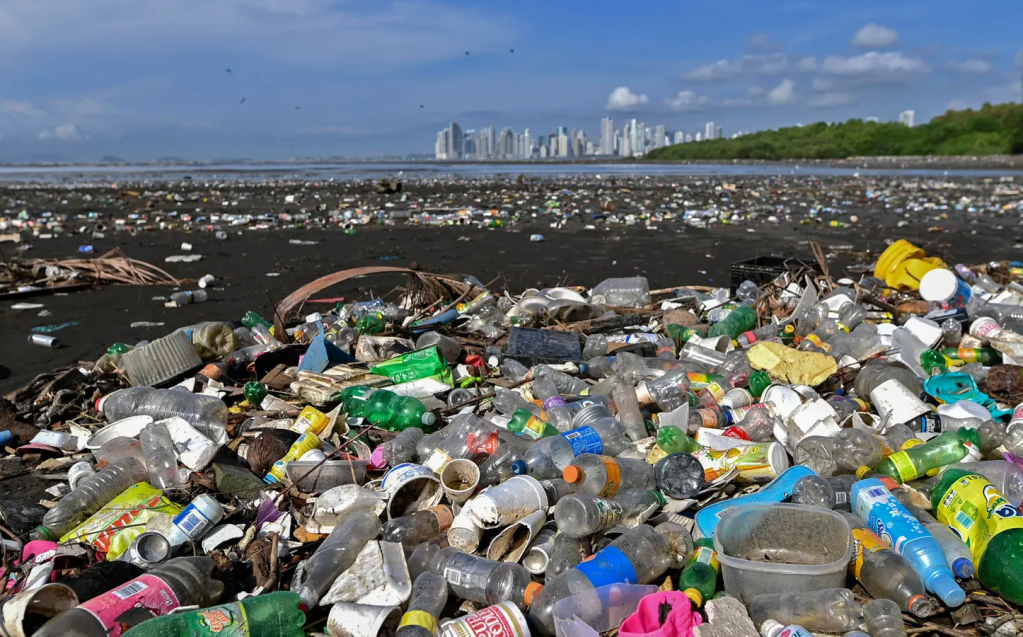
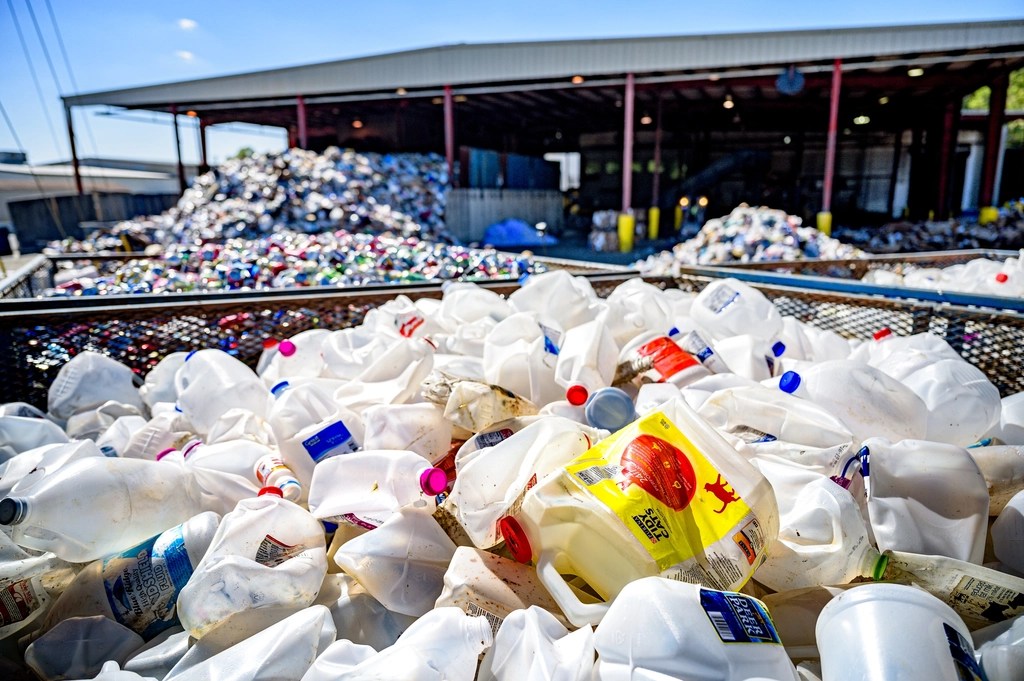
Plastic pollution has reached alarming levels worldwide. Discarded plastic items accumulate in landfills, oceans, rivers, and even remote wilderness areas, persisting for hundreds of years and causing harm to marine life and terrestrial ecosystems. The sheer volume of plastic waste generated annually underscores the urgency of adopting effective recycling practices.

Pollution

Benefits of Plastic Recycling

  1. Conservation of Resources: Recycling plastic reduces the demand for new raw materials, conserving natural resources such as oil and gas.
  2. Energy Savings: Producing new plastic from recycled materials consumes less energy compared to manufacturing from virgin resources.
  3. Reduction of Landfill Waste: By diverting plastic from landfills, recycling helps mitigate landfill overflow and associated environmental hazards.
  4. Prevention of Marine Pollution: Proper disposal and recycling of plastic prevent marine litter, protecting marine biodiversity and ecosystems.
plastic recycling

Challenges in Plastic Recycling

Despite its benefits, plastic recycling faces several challenges:

  1. Complexity of Sorting: Different types of plastics require specific recycling processes, complicating the sorting and recycling infrastructure.
  2. Contamination: Contaminants and mixed materials reduce the quality and usability of recycled plastic.
  3. Economic Viability: The fluctuating market value of recycled plastic affects the profitability and sustainability of recycling operations.
  4. Public Awareness and Participation: Limited awareness and insufficient participation hinder recycling efforts on a global scale.

Innovations in Plastic Recycling

  1. Advanced Sorting Technologies: AI and robotics improve the efficiency and accuracy of plastic sorting in recycling facilities.
  2. Chemical Recycling: Innovative processes break down plastic into its molecular components, enabling the production of high-quality recycled materials.
  3. Biodegradable Alternatives: Research focuses on developing biodegradable plastics that reduce environmental impact and simplify recycling processes.
  4. Circular Economy Initiatives: Companies and governments promote circular economy models that prioritize recycling and reuse over linear production and disposal.
Top 8 plastic recycling trends

Global Initiatives and Policies

Governments and international organizations play a pivotal role in promoting plastic recycling through:

  1. Legislation and Regulation: Implementing laws that mandate recycling targets, plastic use reduction, and producer responsibility.
  2. Incentives and Subsidies: Providing financial incentives and subsidies to encourage recycling infrastructure development and innovation.
  3. Public Awareness Campaigns: Educating consumers about the importance of recycling and sustainable consumption practices.

The Future of Plastic Recycling

Looking ahead, the future of plastic recycling hinges on:

  1. Technological Advancements: Continued innovation in recycling technologies to improve efficiency, cost-effectiveness, and quality of recycled materials.
  2. Collaboration and Partnerships: Stakeholders across sectors collaborating to develop holistic solutions to plastic pollution.
  3. Consumer Behavior: Encouraging consumer behavior changes towards recycling and reducing plastic consumption.
  4. Global Commitment: International cooperation and commitments to reduce plastic waste and promote recycling on a global scale.
The future of plastic waste

Conclusion

In conclusion, plastic recycling is not merely an option but a necessity in our efforts to safeguard the environment and create a sustainable future. By recycling plastic, we conserve resources, reduce pollution, and mitigate the impacts of climate change. However, addressing the challenges of plastic recycling requires collective action from governments, industries, communities, and individuals worldwide. Together, we can create a world where plastic waste is minimized, and our natural ecosystems are preserved for future generations.

References

  1. United Nations Environment Programme. (2020). Plastic Waste and Recycling: Global Overview.
  2. Ellen MacArthur Foundation. (2021). The New Plastics Economy: Rethinking the Future of Plastics.
  3. Jambeck, J. R. et al. (2015). Plastic Waste Inputs from Land into the Ocean. Science.
  4. Plastic Pollution Coalition. (2023). Why Recycle Plastic?
  5. World Economic Forum. (2022). Toward a Circular Economy: Accelerating the Scale-Up Across Global Supply Chains

Blogroll


The Isle Of Thanet News
News for Ramsgate, Margate, Broadstairs and villages.

Content Catnip
Content Catnip
Quirky internet wunderkammer

The Well Read Fish
The Well Read Fish
Christian Fiction Reviews by Christian Authors

University of Washington Press Blog
The University of Washington Press is the nonprofit book and multimedia publishing arm of the University of Washington.

Read also:

Hello World!

Introduction In today’s world, sustainability is more than just a buzzword—it’s a necessity. As industries and consumers alike strive to reduce their environmental footprints, the need for effective waste management solutions has never been greater. FJK Traders Ltd stands at the forefront of this movement, offering innovative and sustainable solutions for managing waste. With over…

“The UK’s Recycling Challenges: Plastics That Can’t Be Recycled”

Recycling has become a crucial aspect of managing waste and preserving the environment. The UK, like many other countries, has made significant strides in promoting recycling and reducing landfill waste. However, not all plastics can be recycled. Understanding which plastics cannot be recycled and why is essential for improving waste management practices and making informed choices. This blog delves into the types of plastics that cannot be recycled in the UK, the reasons behind their non-recyclability, and the broader implications for consumers and the environment.

The plastic recycling symbols

1. Understanding Plastic Recycling Symbols

Before discussing non-recyclable plastics, it’s important to understand the recycling symbols that help identify the types of plastics. The UK, like many countries, uses the Resin Identification Code (RIC), a set of symbols with numbers (1-7) inside a triangle. Each number represents a different type of plastic:

  1. PET (Polyethylene Terephthalate)
  2. HDPE (High-Density Polyethylene)
  3. PVC (Polyvinyl Chloride)
  4. LDPE (Low-Density Polyethylene)
  5. PP (Polypropylene)
  6. PS (Polystyrene)
  7. Other (Various Plastics)

Among these, some are widely recyclable, while others are more challenging to recycle due to their chemical properties, contamination issues, or lack of recycling facilities.

Non-Recyclable Plastics in the UK

2. Non-Recyclable Plastics in the UK

a. Polyvinyl Chloride (PVC)

PVC, identified by the number 3 in the RIC, is a versatile plastic used in various applications, including pipes, cables, and some packaging. However, PVC is notoriously difficult to recycle. The reasons include:

  • Chemical Composition: PVC contains chlorine, which can release harmful chemicals when processed.
  • Additives: PVC products often contain additives that make recycling more complicated.
  • Contamination: PVC is frequently contaminated with other materials, making it harder to separate and process.

Due to these factors, many recycling facilities in the UK do not accept PVC.

b. Polystyrene (PS)

Polystyrene, marked with the number 6, is commonly found in products like disposable cutlery, CD cases, and packaging materials (including Styrofoam). The challenges with recycling polystyrene include:

  • Lightweight Nature: Polystyrene is very light, making it economically unviable to collect and transport for recycling.
  • Volume: It takes up a lot of space, which poses storage and transportation issues.
  • Contamination: Polystyrene often comes into contact with food, which contaminates the material and complicates the recycling process.

As a result, many local councils in the UK do not accept polystyrene for recycling.

c. Black Plastic

Black plastic is commonly used in food packaging and ready meals. Despite being made from recyclable polymers, black plastic poses a significant challenge:

  • Detection Issues: Recycling sorting machines use optical scanners to identify and separate different types of plastics. Black plastic absorbs light rather than reflecting it, making it invisible to these scanners.
  • Contamination: Like other food packaging, black plastic can be contaminated with food residues, further complicating recycling efforts.

Because of these issues, black plastic often ends up in landfills.

d. Low-Density Polyethylene (LDPE)
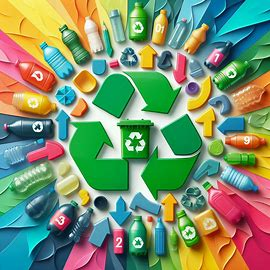
LDPE, designated with the number 4, is used in products like plastic bags, shrink wraps, and some bottles. While LDPE is technically recyclable, the infrastructure to recycle it is limited:

  • Recycling Facilities: Not all recycling facilities in the UK are equipped to handle LDPE.
  • Economic Viability: The low density and lightweight nature of LDPE make it less economically attractive to recycle.

Consequently, many LDPE products are not recycled and end up in landfills or incinerators.

e. Multi-Layer Plastics

Multi-layer plastics are composites made of different plastic materials laminated together. These are commonly found in products like food packaging (e.g., crisp packets, some beverage cartons). The recycling challenges include:

  • Separation Difficulty: The different layers of plastics are difficult to separate during the recycling process.
  • Specialized Facilities: Recycling multi-layer plastics requires specialized facilities that are not widely available in the UK.

Given these hurdles, multi-layer plastics are typically not recyclable and often end up as waste.

 The Impact of Non-Recyclable Plastics

3. The Impact of Non-Recyclable Plastics

The presence of non-recyclable plastics in the waste stream has several implications:

a. Environmental Impact

Non-recyclable plastics contribute significantly to environmental pollution. When not properly managed, these plastics can end up in rivers, oceans, and other natural habitats, harming wildlife and ecosystems. For example, marine animals often ingest plastic debris, mistaking it for food, leading to injury or death.

b. Landfill and Incineration

Plastics that cannot be recycled are often sent to landfills or incinerated. Landfills can lead to long-term environmental issues, including soil and groundwater contamination. Incineration, while reducing the volume of waste, releases harmful emissions and contributes to air pollution and climate change.

c. Resource Depletion

Plastics are made from non-renewable resources like petroleum. Non-recyclable plastics represent a loss of these valuable resources, as they cannot be reprocessed and reused, leading to further extraction and depletion of raw materials.

d. Economic Costs

Managing non-recyclable plastics incurs significant economic costs. Local councils and waste management companies spend considerable resources sorting, transporting, and disposing of these materials. Additionally, the loss of potential recyclable material represents a missed economic opportunity.

4. Steps Towards Improvement

Addressing the issue of non-recyclable plastics requires a multi-faceted approach involving consumers, manufacturers, and policymakers.

a. Consumer Awareness and Action

Consumers can play a crucial role by:

  • Reducing Use: Limiting the use of single-use plastics and opting for reusable alternatives.
  • Proper Disposal: Ensuring that plastics are disposed of correctly and not contaminating recyclable materials.
  • Demanding Change: Supporting products and companies that use recyclable or biodegradable packaging.
b. Manufacturer Responsibility

Manufacturers can contribute by:

  • Designing for Recycling: Creating products and packaging with recycling in mind, using materials that are easier to recycle.
  • Innovation: Investing in research and development to find alternative materials and improve recycling technologies.
  • Transparency: Providing clear information on packaging about recyclability and disposal.
c. Policy and Regulation

Policymakers can drive change through:

  • Regulations: Implementing stricter regulations on plastic use and waste management.
  • Incentives: Providing incentives for businesses to adopt sustainable practices and invest in recycling infrastructure.
  • Public Campaigns: Educating the public about recycling and waste reduction through awareness campaigns.

5. Conclusion

While significant progress has been made in recycling, certain plastics remain challenging to recycle in the UK. Understanding which plastics cannot be recycled and why helps consumers make informed choices and highlights the need for continued innovation and policy support. By working together, consumers, manufacturers, and policymakers can reduce the environmental impact of non-recyclable plastics and move towards a more sustainable future.

Read some more of my blogs

Understanding the Recycling Policy in the UK

The United Kingdom has a robust recycling policy designed to manage waste sustainably and reduce the environmental impact of waste. This policy encompasses various strategies, regulations, and initiatives aimed at promoting recycling across households, businesses, and industries. In this comprehensive guide, we will delve into the intricacies of the UK’s recycling policy, exploring its history, current practices, challenges, and future directions. In this blog you will be Understanding the Recycling Policy in the UK.

Historical Context of Recycling in the UK

Historical Context of Recycling in the UK

Recycling in the UK has evolved significantly over the past few decades. The journey began in the 1970s when environmental awareness started to rise, leading to the introduction of various recycling schemes. However, it was not until the late 1990s and early 2000s that recycling became a major focus of national policy.

In 1999, the UK government introduced the Landfill Tax, which imposed a levy on waste disposed of in landfills. This tax incentivized businesses and local authorities to explore alternative waste management methods, including recycling. The Waste and Resources Action Programme (WRAP) was established in 2000 to promote resource efficiency and help increase recycling rates.

The Waste Hierarchy of recycling in UK

The Waste Hierarchy

The UK’s recycling policy is guided by the waste hierarchy, a framework that prioritizes waste management practices based on their environmental impact. The hierarchy is as follows:

  1. Prevention: The most preferred option is to prevent waste generation in the first place. This involves reducing the amount of waste produced through various means such as eco-design, sustainable consumption, and efficient production processes.
  2. Reuse: If waste cannot be prevented, the next best option is to reuse products and materials. This extends the lifecycle of items and reduces the need for new resources.
  3. Recycling: When reuse is not possible, recycling comes into play. This involves processing waste materials to create new products, thereby conserving resources and reducing the environmental footprint.
  4. Recovery: If recycling is not feasible, the next step is to recover energy from waste through methods such as incineration with energy recovery.
  5. Disposal: The least preferred option is disposal, typically through landfill. This is considered the last resort due to its significant environmental impact.
Key Legislation and Regulations of recycling in UK

Key Legislation and Regulations

Several key pieces of legislation and regulations underpin the UK’s recycling policy. These include:

  1. The Environmental Protection Act 1990: This act provides the legal framework for waste management and imposes a duty of care on individuals and businesses to handle waste responsibly.
  2. The Waste (England and Wales) Regulations 2011: These regulations implement the EU Waste Framework Directive and require local authorities and businesses to separate waste materials for recycling.
  3. The Packaging Waste Regulations: These regulations place obligations on businesses to reduce packaging waste and ensure a certain percentage is recycled. They also introduce the concept of producer responsibility, meaning businesses that produce packaging are responsible for its disposal.
  4. The Landfill Directive: This directive aims to reduce the amount of waste sent to landfill by setting targets for biodegradable municipal waste and promoting alternative waste management methods.

Local Authority Recycling Schemes

Local authorities in the UK play a crucial role in implementing recycling policies and providing recycling services to households. Each local authority is responsible for managing waste collection, recycling, and disposal in their area. While there is variation in the specifics of recycling schemes across different regions, common elements include:

  1. Kerbside Collections: Most households have access to kerbside recycling collections, where recyclable materials such as paper, cardboard, glass, metal, and certain plastics are collected directly from homes. These materials are usually separated into different bins or containers.
  2. Recycling Centers: In addition to kerbside collections, local authorities operate recycling centers (also known as household waste recycling centers or tips) where residents can bring a wider range of recyclable materials, including electrical appliances, garden waste, and bulky items.
  3. Food Waste Collections: Many local authorities offer separate food waste collections to divert organic waste from landfill. This waste is often processed into compost or used to generate biogas through anaerobic digestion.
  4. Garden Waste Collections: Garden waste such as grass clippings, leaves, and branches can often be collected separately for composting or other forms of organic recycling.

Challenges and Barriers to Recycling

Despite significant progress, the UK’s recycling policy faces several challenges and barriers:

  1. Contamination: One of the biggest challenges is contamination of recyclable materials with non-recyclable waste. Contaminated recyclables can reduce the quality of recycled products and increase processing costs.
  2. Public Awareness and Participation: While public awareness of recycling has increased, participation rates vary across different regions and demographics. Ongoing education and engagement efforts are needed to encourage consistent recycling practices.
  3. Infrastructure and Capacity: The recycling infrastructure, including collection systems and processing facilities, must be continuously updated and expanded to keep pace with increasing recycling targets and evolving waste streams.
  4. Market Demand: The market demand for recycled materials can fluctuate, affecting the economic viability of recycling. Ensuring stable markets for recycled products is crucial for the sustainability of recycling systems.
  5. Plastic Waste: Managing plastic waste remains a significant challenge due to the diversity of plastic types and the complexity of recycling processes. Efforts to reduce plastic waste and improve plastic recycling are ongoing.

Innovations and Future Directions

To address these challenges and further enhance recycling efforts, the UK is exploring various innovations and future directions:

  1. Extended Producer Responsibility (EPR): EPR schemes require producers to take responsibility for the entire lifecycle of their products, including end-of-life disposal. This encourages the design of products that are easier to recycle and reduces the burden on local authorities.
  2. Deposit Return Schemes (DRS): DRS initiatives involve consumers paying a small deposit when purchasing certain items (such as beverage containers) and receiving the deposit back when they return the item for recycling. This can significantly increase recycling rates for targeted materials.
  3. Technological Advancements: Advances in recycling technology, such as improved sorting systems and chemical recycling processes, can enhance the efficiency and effectiveness of recycling operations.
  4. Circular Economy: The concept of a circular economy promotes the continuous use of resources by creating closed-loop systems where waste is minimized, and materials are reused and recycled. The UK is actively pursuing circular economy strategies to reduce waste and enhance sustainability.
  5. Legislative Reforms: Ongoing legislative reforms aim to strengthen recycling policies and set more ambitious targets. For example, the UK government has proposed a new Environment Bill that includes measures to tackle plastic pollution, improve resource efficiency, and enhance waste management.

Conclusion

The recycling policy in the UK has come a long way from its early days, evolving into a comprehensive and multifaceted system designed to manage waste sustainably. Guided by the waste hierarchy and supported by key legislation, local authorities, businesses, and individuals play vital roles in promoting recycling.

Despite facing challenges such as contamination, public participation, and market demand, the UK continues to innovate and explore new approaches to enhance recycling efforts. Through initiatives like Extended Producer Responsibility, Deposit Return Schemes, and technological advancements, the UK is working towards a more sustainable and circular economy.

As the country strives to meet its environmental goals and reduce the impact of waste, the importance of recycling cannot be overstated. By continuing to invest in education, infrastructure, and policy reforms, the UK can pave the way for a greener, more sustainable future.


This blog provides a detailed overview of the recycling policy in the UK, highlighting its history, key legislation, current practices, challenges, and future directions. It aims to inform readers about the intricacies of recycling in the UK and inspire further action towards sustainable waste manage

Read some more of my blogs